LoganScience Seminars
| Wednesday, 08/28/2013: New Students Orientation (AM) All Student Orientation (PM) | |
| Thursday, 08/29/2013: Intro to LoganScience | |
Welcome...Who are You/Am I? (15 Billion Years in the making) |
|
The Big Picture (cloning and the possible Humans that could be) |
|
Syllabus/Cell #/e-mails |
|
www.loganaskwhy.com |
|
What We Wonder About |
|
| Friday, 08/30/2013: | |
Review LoganAskWhy.com |
Review LoganAskWhy.com |
The Big Biology Picture |
The Big Chemistry Picture |
Biology 1 Course Outline |
Chemistry 1 Course Outline |
August 25 , 2013 |
|
* |
|
| BIOLOGY I Seminar #2: The Science of Biology Part I | |
| Monday, 09/2/13 NO SCHOOL, or Tuesday, 09/03/13 @12:30-2:30 | |
Read Chapter 1 (pages 2-29) before coming to seminar.. Remember reading is a vital part of understanding the story being experienced so be prepared by reading the chapter. Check out the Introduction To Biology PowerPoint. Science is the Poetry of Reality. We look at the organization of matter into life and eventually the Universe. It is the Story of Everything. There will be a short information session covering the skills/methods and the tools of science. The Chapter 1 Review will be due this week. The Microscope lab will be introduced and must be completed this week. |
|
* |
|
| BIOLOGY I Seminar #3: The Science of Biology Part II & Microscope Lab | |
| Wednesday, 09/04/13 @8:45-10:45, or Thursday, 09/05/13 @12:30-2:30 | |
Read Chapter 1 (pages 2-29) before coming to seminar. Check out the Introduction To Biology PowerPoint. Watch The unbroken Thread. We will review/correct/collect the Microscope Lab and the Chapter 1 Review sheet. the seminar will end with the completion of the chapter 1 test. The Chapter 1 Review and the Microscope Lab need to be handed in, with a green slip stapled to them, by the end of the day Friday, 09/06/13. |
|
* |
|
| Chemistry Seminar #2: The Hindenberg Reenactment | |
| Monday, 09/02/13 @NO SCHOOL, or Wednesday, 09/04/13 @8:45-10:45 | |
Welcome to PGEC we will start the year off with a reenactment of the Hindenburg disaster. We will begin with a brief introduction to atoms and the conservation of matter. The difference between a physical change and a chemical change will be discussed. We will compare the types of chemical reactions and distinguish between exothermic and endothermic. With the introduction to chemistry out of the way, we will discuss the characteristics of the airship, watch the footage of the Hindenburg disaster with commentary by Herbert Morrison, discuss the dangerous properties of hydrogen, look at hydrogen use today and discuss other disasters throughout history. |
|
* |
|
| Chemistry Seminar #3: Pretesting | |
| Wednesday, 09/04/13 @12:30-1:30, or Thursday, 09/05/13 @8:45-10:45 | |
All Science Enrichment students need to complete the Chemistry Pretest. The room will be open all week for students to complete the Science Enrichment Pretest. |
|
| Friday, 09/06/13: open all day for Biology 1 Chapter 1 Testing and Chemistry 1 Pre-Testing | |
August 28, 2013 |
|
* |
|
| BIOLOGY I Seminar #4: Chapter 2 Tour and "Atoms" | |
| Monday, 09/09/2013 @8:45-10:45 or Tuesday, 09/10/2013 @12:30-2:30 | |
Read Chapter 2 (pages 34-53) before coming to seminar. Let's Consider Life. The seminar will beging with a review of The Chemistry of Life show. We will begin this week by looking at a few Atom Notes. Each student will practice Finding The Parts of an Atom using the Composition and Reactions of Matter worksheet. After finding the parts, students will learn how to Diagram an Atom. The Atomic Structure and Bonding worksheet will give students practice diagramming atoms and the Counting Atoms worksheet helps students recognize and understand molecular formulas. The seminar will end with a lesson on Combining Elements leading to ionic and covalent bonds. Check out the Chapter 2 Flash Card Quiz. Both the Chapter 2 Review and the Composition and Rxs of Matter worksheet need to be completed, green slipped and handed in before students leave on Friday, 09/13/13. The Chapter 2 Test needs to be completeted by the end of the week. |
|
* |
|
| BIOLOGY I Seminar #5: "Organic Molecules" | |
| Wednesday, 09/11/13 @8:45-10:45, or Thursday, 09/12/13 @12:30-2:30 | |
| Read Chapter 2 (pages 34-53) before coming to seminar. The seminar will beging with a review of The Chemistry of Life show. This seminar looks at some of the properties of water. A lesson on solutions and suspensions will be followed by Acids and Bases including the pH scale. The rest of the seminar students will investigate the structure and funtions of three of the four organic macromolecules (Carbohydrates, Lipids, Proteins, Nucleic Acids). The Chemistry of Carbohydrates lab, the Chemistry of Lipids lab and the Chemistry of Proteins lab need to be completed, green slipped and handed in before students leave on Friday, 09/13/13. The Chapter 2 Test needs to be completed by the end of the week. |
|
*
|
|
Chemistry Seminar #4: "Math Skills" |
|
| Monday, 09/09/2013 @12:30-2:30 or Tuesday, 09/10/2013 @8:45-10:45 | |
It is time to consider the way we think and question. A New Wave of Reason. We will begin thinking in a rational/logical/scientific way. I want you to question everything, look for patterns and expect proof. I will be sending texts (LoganAlerts) to all students/teachers/parents who give me their cell phone # and carrier name. Please e-mail or see me if you want a LoganAlert! The seminar will begin with a review of the Introduction to Science Show. We will write very large and very small numbers in scientific notation. It will practice converting metric measurements using fancy ones. we will begin using significant figures in our calculations. The finally, will be reviewing graphing skills. After reviewing the skills of a scientist, the scientific method, the metric system and variables. Students should complete the math skills, the collecting lab, the measuring lab Chapter 1 Test by Friday, 9/13/2013. |
|
* |
|
| Chemistry Seminar #5: "Measurements" | |
| Wednesday, 09/11/13 @12:30-2:30, or Thursday, 09/12/13 @8:45-10:45 | |
The seminar will begin with a review of the Introduction to Science Show. We will be measuring length, mass, and volume. We will then calculate density using numbers in scientific notation and reporting the solution in correct significant figures. After reviewing the skills of a scientist, the scientific method, the metric system and variables. Students should complete the math skills, the collecting lab, the measuring lab and the Chapter 1 Test by Friday, 9/13/2013. |
|
September 5, 2013 |
|
* |
|
| BIOLOGY I Seminar #6: Chapter 7 Tour and "Cell Structure and Function" | |
| Monday: 09/16/2013 @ 8:45-10:45 or Tuesday: 09/17/2013 @12:30-2:30 | |
Read Chapter 7 (pages 168-193) before coming to seminar. Students will see the Introduction to Cells video trailer. We will cover a brief history of the cell and a fundamentail concept in biology known as The Cell Theory. It is important to understand the difference between prokaryote and eukaryote cells. Take a virtual interactive tour of the cell. After an information session on the Organelles of the Cell and a tour through the cell, we will review the differences and the similarities between plant cells and animal cells. These differences will be seen during the Cell Variation Lab. Students will have a few hours to make prepared slides of, observe and draw onion, cheek, potato and elodea cells. All slides must be checked and all drawings must be initialed by Mr. Logan in order to get any credit for them. The students will work on the Cell Variation Lab, the Chapter 7 Review, the Comparing Cells Worksheet. The Cell Variation Lab will continue through the next seminar. |
|
| BIOLOGY I Seminar #7: "Cell Variation Lab" | |
| Wednesday: 09/18/2013 @ 8:45-10:45 or Thursday: 09/19/2013 @12:30-2:30 | |
Read Chapter 7 (pages 168-193) before coming to seminar. This seminar will begin with a review of the Organelles of the Cell. Students will see short videos comparing Prokaryote vs. Eukaryote cells and the differences and similarities of plant cells and animal cells. Will practice the Organelles in cells and take a quiz over the names and functions of the organelles. The students will watch short video clips explaining diffusion and Osmosis followed by a video desribing passive and active transport. The Chapter 7 Review, Comparing Cells Worksheet, Cell Variation Lab and the Chapter 7 Test should be completed this week |
|
* |
|
| Chemistry Seminar #6: Chapter 2 Tour and "Heat vs. Temperature Lab" | |
| Monday: 09/16/2013 @12:30-2:30 or Tuesday: 09/17/2013 @ 8:45-10:45 | |
Read Chapter 2.1 What is Matter?, 2.2 Matter and Energy & 2.3 Properties of Matter before coming to Seminar. Matter is all the stuff around us that has mass an occupies space. Everything else is Energy. Matter is composed of moving 'little lumps' called molecules, which are made of atoms. A substance that is made of only one kind of atom is an element. There are 117 known elements. The Kinetic Theory assumes that way the molecules in a substance move determines the phase of the matter. Solids, liquids and gases are the three states of matter. Pure substances are made of only one kind of material and have definite properties. Mixtures refer to combinations of two or more substances in which each substance retains its own properties. Heterogenous mixtures are not the same throughout. Homogenous mixtures are uniform throughout. Homogenous mixtures are also called solutions, however, the most common type of solution is described by a solid (the solute) dissolved in a liquid (the solvent). Physical properties can be observed or measured without changing the composition of matter. (appearance, texture, color, odor, melting/boiling point, density) All changes of state (solid to liquid to gas) are physical changes. Chemical properties describe the way a substance may change or "react" to form other substances. Chemical changes, also known as chemical reactions, are when a substance is transformed into a chemically different substance. Students must complete the Heat vs. Temperaturte Lab. |
|
* |
|
| Chemistry Seminar #7: "Wicked Chemistry " | |
| Wednesday: 09/18/2013 @12:30-2:30 or Thursday: 09/19/2013 @ 8:45-10:45 | |
| Students must complete the Wicked Chemistry Lab, the Heat vs. Temperature Lab, the chapter 2 Review, take the Kinetic Theory Quiz and the Chapter 2 Test this week. | |
September 13, 2013 |
|
* |
|
| BIOLOGY I Seminar #8: Chapter 8 "Photosynthesis Tour" and "ATP Activity" | |
| Monday: 09/23/2013 @ 8:45-10:45 or Tuesday: 09/24/2013 @12:30-2:30 | |
Read Chapter 8 (pages 200-214) before coming to seminar. Telling a non-fiction story based on evidence/facts is vital in science. We will be begin with a quick lesson on writing a 5 paragraph essay. I will show Black Hole to begin the story telling. We will look at the role energy plays in living organisms and the relationship between autotrophs and heterotrophs. We will look at the big picture of how photosynthesis and respiration work together to enable living things to have energy. A principal molecule that cells use to store and release energy is adenosine triphosphate (ATP). Photosynthesis is a series of reactions that plants use to convert sunlight, carbon dioxide and water into sugar and oxygen. Photosynthesis is broken into the light reactions and the Calvin Cycle. The students will write the story of photosynthesis (the structures, the processes and the materials into/out of the reactions). I have included a great analogy image, a light reaction video and a Calvin cycle video. The Chapter 8 Review, Green Plant Chromatography Lab, ATP Activity and test should be completed by the end of this week. Check out the BozemanBiology Podcasts on Photosynthesis and Respiration. Spend some time watching the videos on my YouTube Photosynthisis Playlist. Practice the Chapter 8 Photosynthesis Flashcard Review. |
|
| BIOLOGY I Seminar #9: "Green Plant Chromatography Lab" and "Photosynthesis Activity" | |
| Wednesday: 09/25/2013 @ 8:45-10:45 | |
| Chemistry Seminar #8: Chapter 3 Tour "Atoms and the Periodic Table" | |
| Monday: 09/23/2013 @12:30-2:30 or Tuesday: 09/24/2013 @ 8:45-10:45 | |
| Chemistry is the study of matter and how it changes. All notes, powerpoints and study guides for this unit are posted in the notes/reviews section. We start with an introduction to the atom and atomic theory. Once we can find the number of particles in an atom and draw the atom's diagram, we will look at how elements are arranged on the Periodic Table of Elements, including a periodic table test. Using the locations and groups of elements on the table, predicting how elements combine to form compounds becomes possible. We will balance chemical equations and investigate the types of chemical reations. We will review mixtures and solutions and add acids and bases to the mix. The May I Cut In? lab will investigate a single displacement, exothermic reaction and acids/bases. The 4th of July lab will give practice balancing equations and demonstrate the Law of Conservation of Mass. Practice notes/reviews often for success! | |
| Chemistry Seminar #9: "May I Cut In?" | |
| Wednesday: 09/25/2013 @12:30-2:30 | |
| We will finish Biology Chapter 8 and Chemistry Chapter 3 Next week...No need to test this week. | |
September 20, 2013 |
|
* |
|
| Slippery Ann Elk Observing Seminar | |
| Slippery Ann Elk Observing Field Trip | |
| Depart @12:30PM and Return @10:30PM | |
| Science is "Ketchup Only" for the rest of the week. | |
September 27, 2013 |
|
* |
|
| BIOLOGY I Seminar #10: Chapter 9 Tour "Respiration" and "Cellular Respiration Avtivity" | |
| Monday: 10/07/2013 @ 8:45-10:45 or Friday: 10/11/2013 @12:30-2:30 | |
Read Chapter 9 (pages 220-232) before coming to seminar. We will review the following from Chapter 8: A principal molecule that cells use to store and release energy is adenosine triphosphate (ATP). Photosynthesis is a series of reactions that plants use to convert sunlight, carbon dioxide and water into sugar and oxygen. We will look at the role energy plays in living organisms and the relationship between autotrophs and heterotrophs. We will look at the big picture of how photosynthesis and respiration work together to enable living things to have energy. Photosynthesis is broken into the light reactions and the Calvin Cycle. The students will write a 4 paragraph essay telling the story of photosynthesis and repiration (the structures, the processes and the materials into/out of the reactions). I have included a great analogy image, a light reaction video and a Calvin cycle video. Practice the Chapter 8 Photosynthesis Flashcard Review. We will spend 30 minutes looking at Cellular Respiration, which can be broken into three processes. Gylcolysis, the Kreb Cycle and the Electron Transport Chain. The Chapter 8 Review, Green Plant Chromatography Lab, ATP Activity, Chapter 9 Review, Glycolysis lab, Cellular Respiration Worksheet, the Fermantation Lab, Mars Periodic Table Activity, and test should be completed by the end of next week. Check out the BozemanBiology Podcasts on Photosynthesis and Respiration. Spend some time watching the videos on my YouTube Photosynthisis Playlist and my Respiration Playlist on YouTube. The Respiration PowerPoint, the Photsynthesis and Respiration PowerPoint, and the Photosynthesis and Respiration Overview PowerPoint. Check out the Respiration Video. |
|
| BIOLOGY I Seminar #11: Fermentation Lab, Check out the Fermentation Videos. | |
| Wednesday: 10/09/2013 @8:45-10:45 orThursday: 10/10/2013 @12:30-2:30 | |
| BIOLOGY I: "Cellular Respiration" Watch the Cellular Respiration Overview Video | |
| Friday: 10/11/2013 @12:30 | |
Read Chapter 9 (pages 220-232) before coming to seminar. We will look at the big picture of how photosynthesis and respiration work together to enable living things to have energy. I have included a great analogy image, a light reaction video and a Calvin cycle video. We will spend 30 minutes looking at Cellular Respiration, which can be broken into three processes. Gylcolysis, the Kreb Cycle and the Electron Transport Chain. The Photosynthesis/Respiration (4 Paragraph) Essay, Cellular Respiration Worksheet and the Fermentation Lab, should be completed by the end of next week. Check out the BozemanBiology Podcasts on Photosynthesis and Respiration. Check out my Photosynthesis Playlist and my Respiration Playlist on YouTube. Practice the Chapter 9 Photosynthesis Flashcard Review. |
|
| "Photsynthesis/Respiration Overview" | |
| "Photosynthesis/Cellular Respiration Essay, Review and Testing" | |
| * | |
| Chemistry Seminar #10: Chapter 3 "Chemistry Review" Tour "Atoms and the Periodic Table" | |
| Monday: 10/07/2013 @12:30-2:30 or Friday: 10/11/2013 @8:45-10:45 | |
Chemistry is the study of matter and how it changes. All notes, powerpoints and study guides for this unit are posted in the notes/reviews section. We start with an introduction to the atom and atomic theory. Once we can find the number of particles in an atom and draw the atom's diagram. We will look at how elements are arranged on the Periodic Table of Elements, including a periodic table test. Using the locations and groups of elements on the table, predicting how elements combine to form compounds becomes possible. We will balance chemical equations and investigate the types of chemical reations. We will review mixtures and solutions and add acids and bases to the mix. The May I Cut In? lab will investigate a single displacement, exothermic reaction and acids/bases. The 4th of July lab will give practice balancing equations and demonstrate the Law of Conservation of Mass. Practice notes/reviews often for success! The May I Cut In? Lab, the 4th of July Lab, the Chemistry Review, the Diagramming Atoms Activity, the Periodic Table Activity, the Mars Activity and the Chemistry Test need to be completed this week. |
|
| Chemistry Seminar #11: "4th of July Lab " | |
| Wednesday: 10/09/2013 @12:30-2:30 or Thursday 10/10/2013 @8:45 | |
| Chemistry: Chapter 3 "Chemistry Review" Tour "Atoms and the Periodic Table" | |
| Friday: 10/11/2013 @8:45 | |
October 5, 2013 |
|
| * | |
| BIOLOGY I Seminar #12: Chapter 10 Tour "Cell Growth and Division" | |
| Monday: 10/21/2013 @8:45-10:45 or Tuesday 10/22/2013 @12:30-2:30 | |
Read Chapter 10 (pages 240-253) before coming to seminar. Chapter 10 begins with a section on Cell growth. The cell cycle can be broken into four parts; cell growth(G1 phase), DNA replication(S phase), preparation for mitosis(G2 phase) and cell division. The cell is in interphase(in-between) during all phases of cell cycle except cell division. Here's a review of the Stages of Mitosis. During cell division Mitosis (Prophase, Metaphase, Anaphase, Telophase) and cytokinesis occur. We will be looking at all the phases of mitosis with prepared slides. Students need to complete the Chapter 10 Review, the Mitosis Lab, the Cell Cycle Worksheet and take the Chapter 10 This week. Check out the BozemanBiology podcasts on Mitosis. The Khan Academy Phases Mitosis Video. Live Mitosis and Mitosis Dance Videos |
|
| BIOLOGY I Seminar #13: "The Mitosis Lab" | |
| Wednesday: 10/23/2013 @8:45-10:45 or Thursday: 10/24/2013 @12:30-2:30 | |
| Chemistry Seminar #12: Chemistry Review "Atoms, Molecules, Periodic Table" | |
| Monday: 10/21/2013 @12:30-2:30 or Tuesday: 10/22/2013 @8:45-10:45 | |
Chemistry is the study of matter and how it changes. All notes, powerpoints and study guides for this unit are posted in the notes/reviews section. We start with an introduction to the atom and atomic theory. Once we can find the number of particles in an atom and draw the atom's diagram. We will look at how elements are arranged on the Periodic Table of Elements, including a periodic table test. Using the locations and groups of elements on the table, predicting how elements combine to form compounds becomes possible. We will balance chemical equations and investigate the types of chemical reations. We will review mixtures and solutions and add acids and bases to the mix. The May I Cut In? lab will investigate a single displacement, exothermic reaction and acids/bases. The 4th of July labwill give practice balancing equations and demonstrate the Law of Conservation of Mass. Practice notes/reviews often for success! The May I Cut In? Lab, the 4th of July Lab, the Chemistry Review, the Diagramming Atoms Activity, the Periodic Table Activity, the Mars Activity and the Chemistry Test need to be completed this week. |
|
| Chemistry Seminar #13: Chemistry Review "Chemical Reactions and Equations" | |
| Wednesday: 10/23/2013 @12:30-2:30 or Thursday 10/24/2013 @8:45-10:30) | |
| Friday: Open all Day for the Biology 1 Chapter 10 Test, Biology 1 Final and the Chemistry Final | |
October 18, 2013 |
|
* |
|
| BIOLOGY 2 Seminar #1: Chapter 11 Tour Part I "Introduction to Genetics" | |
| Monday: 10/28/2013 @8:45-10:45 or Tuesday 10/29/2013 @12:30-2:30 | |
Read Chapter 11 (pages 262-274) before coming to seminar. We will begin Genetics. Gregor Mendel used pea plants to put together a great story of how traits are inherited from parent to offspring. The chemical factors that determine traits are called genes. We will see how the segregation of alleles explains gametes coming together during fertilization to produce new offsrping. Genetics is all about probability. It will be important to use the Punnett Square to understand how homozygous and herterozygous alleles can be used to predict the genotype and the phenotype of offspring. The Chapter 11 Review, the Probability Worksheet, the Punnett Square worksheet, the Meiosis Lab and the Chapter 11 Test need to be completed by the end of the week. Check out BozemanBiology on Mendelian Genetics and Chromosomal Genetics. |
|
| BIOLOGY 2 Seminar #2: Chapter 11 Tour Part II "Meiosis" and "Alien Genetics Lab" | |
| Wednesday: 10/30/2013 @8:45-10:45 or Thursday: 10/31/2013 @12:30-2:30 | |
The Chapter 11 Review, the Probability Worksheet, the Punnett Square worksheet, Alien Gentics Lab, the Meiosis Lab and the Chapter 11 Test need to be completed by the end of the week. |
|
| Geology Seminar #1: Intro to Geology & Chapter 3 Tour: "Atoms to Minerals" | |
| Monday: 10/28/2013 @12:30-2:30 or Tuesday: 10/29/2013 @8:45-10:45 | |
Read Chapter 3 (pages 28-417) before coming to seminar. Over the six weeks, we will be studying Geology. While reading chapter 3, students need to restate and answer Chapter 3 Topic Questions #1-15. Students will need to complete the Chapter 3 Worksheet, the Crystal Systems Lab and the Chapter 3 Test @70% by the end of this week. The next few weeks we will be identifying minerals by using an arsenal of observations/tests. Before the Mineral Lab we will do the Specific Gravity Lab. Students will then begin testing and identifying 30 rock-forming minerals. The Mineral Lab as seen on Logan's Mineral Lab website should be completed within two weeks. During the Mineral Lab Reread chapter 4 (pages 53-57) EVERY DAY! Practice the Mineral Notes, and put in lots of time practicing the minerals in your kit. Check out The Mineral Project Website. It has a mineral search, mineral identification notes, and a large database of minerals. Check out Minerals for more information. Each student will need to complete mineral practical test and a mineral written (chapter 4) test within the next three weeks. |
|
| Geology Seminar #2: "Crystal Systems Lab" | |
| Wednesday: 10/30/2013 @12:30-2:30 or Thursday 10/31/2013 @8:45-10:30) | |
Read Chapter 3 (pages 28-417) before coming to seminar. While reading chapter 3, students need to restate and answer Chapter 3 Topic Questions #1-15. Students will need to complete the Chapter 3 Worksheet, the Crystal Systems Lab and the Chapter 3 Test @70% by the end of this week. |
|
| Friday: Open all Day for the Biology 2 Chapter 11 Test and the Geology Chapter 3 Test | |
October 26, 2013 |
|
* |
|
| BIOLOGY 2 Seminar #3: Chapter 12 Tour Part I "DNA and Replication" | |
| Monday: 11/4/2013 @8:45-10:45 or Tuesday 11/5/2013 @12:30-2:30 | |
Read Chapter 12 (pages 286-299) before coming to seminar. Review the structure and functions of three organic macromolecules (Carbohydrates, Lipids, Proteins, Nucleic Acids). The BIG PICTURE of chapter 12. Briefly describe the experiments of Griffith, Avery, Hershey/Chase, Franklin, Watson/Crick and Chargaff to understand how they all have added to our knowledge of DNA. Identify how a sugar, a phosphate and nitrogenous bases form nucleotides which are the building blocks of the DNA double helix molecule. List the purines, the pyrimadines and practice the base pairing of Adenine to Thymine and Cytosine to Guanine. Describe the process of DNA replication. See DNA replication real time. Chapter 12 Review, CHNOPS Worksheet, DNA Structure Lab, and the Chapter 12 Test due by end of week. Check out BozemanBiology videos on DNA & RNA Part 1 and DNA & RNA Part 2 |
|
| BIOLOGY 2 Seminar #4: Chapter 12 Tour Part II "RNA and Protein Synthesis" | |
| Wednesday: 11/6/2013 @8:45-10:45 or Thursday: 11/7/2013 @12:30-2:30 | |
Read Chapter 12 (pages 286-299) before coming to seminar. We will begin by looking at the differnces between DNA and RNA. The three types of RNA are messenger (mRNA), transfer (tRNA) and ribosomal (rRNA). We will see how DNA transcription occurs. See DNA transcription real time. Next we will investigate translation. See translation real time. The fundamental idea is to copy the DNA code and using RNA, synthesize protein (polypeptide chain), using a genecode. We will investigate the kinds of mutations. Complete the Chapter 12 Review, CHNOPS Worksheet, DNA Structure Lab, and the Chapter 12 Test this week. Check out BozemanBiology videos on DNA Transcription and Translation and Mutations. Khan Academy DNA/RNA. |
|
| Geology Seminar #2: Chapter 4 Tour "Identification of Minerals" | |
| Monday: 11/4/2013 @12:30-2:30 or Tuesday: 11/5/2013 @8:45-10:45 | |
Read Chapter 4 (pages 46-57) before coming to seminar. Students must restate and answer the Topics 1-9 on their own. We will be identifying minerals by using an arsenal of observations/tests. Before the Mineral Lab we will do the Specific Gravity Lab. Images of the Specific Gravity Lab. Students will then begin testing and identifying 30 rock-forming minerals. The Mineral Identification Lab should be completed within 2 weeks. Images of the Mineral Lab. Reread chapter 4 (pages 53-57) EVERY DAY! Practice the Mineral Notes, and put in lots of time practicing the minerals in your kit. Check out The Mineral Project Website. It has a mineral search, mineral identification notes, and a large database of minerals. Check out Minerals for more information. The Chapter 4 Topics, the Specific Gravity Lab chapter 4 worksheet, Chapter 4 Vocab Quiz @100%, Identification of Minerals Lab, Chapter 4 Test and a Mineral Practical all need to be completed. |
|
| Geology Seminar #4: Chapter 4 Tour Review and "Specific Gravity Lab" | |
| Wednesday: 11/6/2013 @12:30-2:30 or Thursday 11/7/2013 @8:45-10:30) | |
| Cpmplete the Specific Gravity Lab and Introduce the Identification of Minerals Lab | |
| Friday: Open all Day for the Biology 2 Chapter 12 Test and the Geology Chapter 3 Test | |
| November 2, 2013 | |
| * | |
 |
|
| BIOLOGY 2 Seminar #5: Chapter 36 Tour The Skeletal, Muscular & Integumentary Systems | |
| External Fetal Pig Dissection, Skeletal System, Muscular System | |
| Monday: 11/11/2013 @8:45-10:45 or Tuesday 11/12/2013 @12:30-2:30 | |
Read Chapter 36-1 to 36-2 (pages 920-932) & the Old School Fetal Pig Dissection Manual (pages 1-7) before coming to seminar. This Seminar will begin with a 30 minute information session on the skeletal system.ppt (Skeletal System Web Show), the muscular system.ppt (Muscular System Web Show) and the integumentary system. Students not dissecting will exit and we will take a quick run through of the dissection procedures followed by an introduction to the Fetal Pig. Non-dissecting Students will complete the Skeletal System Lab, the Muscular System Lab and dissecting students will begin identifying the External Structures of their fetal pig. Check out the External Fetal Pig Video and the External Fetal Pig Video Quiz. The Chapter 36 Review with a 70% on the Test, the Skeletal System Lab, the Muscular System Lab, the External Pig Dissection and the Gastrocnemius Dissection should all be complete by the end of the week. Check out The Pig Dissection Videos on Youtube@loganAskWhy! |
|
| BIOLOGY 2 Seminar #6: "Gastrocnemius, Fetal Pig Muscle Dissection" | |
| Wednesday: 11/13/2013 @8:45-10:45 or Thursday: 11/14/2013 @12:30-2:30 | |
Read Chapter 36-1 to 36-2 (pages 920-932) & the Old School Fetal Pig Dissection Manual (pages 1-7) before coming to seminar. This Seminar will begin with a 30 minute information session on the skeletal system.ppt (Skeletal System Web Show), the muscular system.ppt (Muscular System Web Show) and the integumentary system. Dissecting students will complete the gastrocnemius dissection and non-dissecting students will complete the Skeletal System Lab, the Muscular System Lab. The Chapter 36 Review with a 70% on the Test, the Skeletal System Lab, the Muscular System Lab, the External Pig Dissection and the Gastrocnemius Dissection should all be complete by the end of the week. Check out The Pig Dissection Videos on Youtube@loganAskWhy! |
|
| Geology Seminar #5: Chapter 4 Review "Identification of Minerals" & "Mineral Identification Lab" | |
| Monday: 11/11/2013 @12:30-2:30 or Tuesday: 11/12/2013 @8:45-10:45 | |
Read Chapter 4 (pages 46-57) before coming to seminar. Students must restate and answer the Topics 1-9 on their own. We will be identifying minerals by using an arsenal of observations/tests. Before the Mineral Lab we will do the Specific Gravity Lab. Images of the Specific Gravity Lab. Students will then begin testing and identifying 30 rock-forming minerals. The Mineral Identification Lab should be completed within 2 weeks. Images of the Mineral Lab. Reread chapter 4 (pages 53-57) EVERY DAY! Practice the Mineral Notes, and put in lots of time practicing the minerals in your kit. Check out The Mineral Project Website. It has a mineral search, mineral identification notes, and a large database of minerals. Check out Minerals for more information. The Chapter 4 Topics, the Specific Gravity Lab chapter 4 worksheet, Chapter 4 Vocab Quiz @100%, Identification of Minerals Lab, Chapter 4 Test and a Mineral Practical all need to be completed. |
|
| Geology Seminar #6: "Mineral Identification Lab" | |
| Wednesday: 11/13/2013 @12:30-2:30 or Thursday 11/14/2013 @8:45-10:30) | |
| Complete the Identification of Minerals Lab | |
| Friday: Open all Day for the Bio2 Ch. 36 Test and the Geology Ch. 4 Test & Mineral Practical | |
| November 9, 2013 | |
| * | |
| BIOLOGY 2 Seminar #7: Chapter 38 Tour & "Salivary Glands and Oral Cavity Dissection" | |
| Monday: 11/18/2013 @8:45-10:45 or Tuesday 11/19/2013 @12:30-2:30 | |
Read Chapter 38 (pages 970-989) and The Old School Fetal Pig Dissection Manual (pages 19-20) before coming to seminar. This Seminar will begin with a 15 minute review of 4 macromolecules, DNA/RNA, protein synthesis and an information session on the Digestive System (ppt). Can't open PowerPoint? Here is the Digestive System info as a Webpage. This Digestive System Video is a great review. Watch the stages of Digestion on YouTube. I will introduce the Path of a Big Mac Essay. (Big Mac Essay Words List) We will begin the digestive dissection with the salivary glands and the oral cavity should be complete before leaving for Thanksgiving break. Check out BozemanBiology video on Nutrition and Digestion. Try this Burger Flash! to practice the Path of a Big Mac. Check out The Pig Dissection Videos on Youtube@loganAskWhy! |
|
| BIOLOGY 2 Seminar #8: "Digestive System Dissection" and "Excretory System" | |
| Wednesday: 11/20/2013 @8:45-10:45 or Thursday: 11/21/2013 @12:30-2:30 | |
Read Chapter 36-1 to 36-2 (pages 920-932) and The Old School Fetal Pig Dissection Manual (pages 19-20) before coming to seminar. This Seminar will begin with a 15 minute information session on the Digestive System (ppt). Can't open PowerPoint? Here is the Digestive System info as a Webpage. This Digestive System Video is a great review. Watch the stages of Digestion on YouTube. I will introduce the Path of a Big Mac Essay. (Big Mac Essay Words List) We will begin the digestive dissection with the salivary glands and the oral cavity. The Digestive System Fetal Pig Dissection, the Digestion Worksheet, the Excretory Worksheet and the Chapter 38 Review with 70% on the Test should all be complete by Thanksgiving. Check out BozenamBiology video on Nutrition and Digestion. Try this Burger Flash! to practice the Path of a Big Mac. Check out The Pig Dissection Videos on Youtube@loganAskWhy! |
|
| BIOLOGY 2 Seminar #9: "Digestive System Dissection" and "Excretory System" | |
| Monday: 11/25/2013 @8:45-10:45 or Tuesday 11/16/2013 @12:30-2:30 | |
Read Chapter 36-1 to 36-2 (pages 920-932) The Old School Fetal Pig Dissection Manual (pages 19-20) before coming to seminar. We will review information on the Digestive System (ppt), Digestive System Webpage and review the information on the Excretory System (ppt), Excretory System Webpage. A great 4 minute Urinary/Nephron Video. This Digestive System Video is a great review. Watch the stages of Digestion on YouTube. Discuss the Path of a Big Mac Essay. (Big Mac Essay Words List) Students need to complete the Digestive System Fetal Pig Dissection, the Digestion Worksheet, the Excretory Worksheet and the Chapter 38 Review with 70% on the Test should all be complete before leaving for Thanksgiving break. Check out BozemanBiology video on Nutrition and Digestion. Try this Burger Flash! to practice the Path of a Big Mac. Check out The Pig Dissection Videos on Youtube@loganAskWhy! |
|
| Geology Seminar #7: Review "Minerals" & "Mineral Lab" Take Ch 4 Test and Mineral Practical | |
| Monday: 11/18/2013 @12:30-2:30 or Tuesday: 11/19/2013 @8:45-10:45 | |
Read Chapter 4 (pages 46-57) before coming to seminar. Students must restate and answer the Topics 1-9 on their own. We will be identifying minerals by using an arsenal of observations/tests. Before the Mineral Lab we will do the Specific Gravity Lab. Images of the Specific Gravity Lab. Students will then begin testing and identifying 30 rock-forming minerals. The Mineral Identification Lab should be completed within 2 weeks. Images of the Mineral Lab. Reread chapter 4 (pages 53-57) EVERY DAY! Practice the Mineral Notes, and put in lots of time practicing the minerals in your kit. Check out The Mineral Project Website. It has a mineral search, mineral identification notes, and a large database of minerals. Check out Minerals for more information. The Chapter 4 Topics, the Specific Gravity Lab chapter 4 worksheet, Chapter 4 Vocab Quiz @100%, Identification of Minerals Lab, Chapter 4 Test and a Mineral Practical all need to be completed. |
|
| Geology Seminar #8: Chapter 5 Tour "Rocks and the Rock Cycle" | |
| Wednesday: 11/20/2013 @12:30-2:30 or Thursday 11/21/2013 @8:45-10:30) | |
Read Chapter 5 (pages 62-79) before coming to seminar. Now that we have the knowledge and the skills to identify minerals, it is time to move on to rocks. We will be performing an Igneous, a Sedimentary and a Metamorphic rock investigation. Be sure to read chapter 5 and restate/answer the chapter 5 topics 1-23. Spend some time checking out my Rock Review Trackstar. Check out the images of the Identifying Minerals Lab on my website. The Chapter 5 Topics, the Chapter 5 Worksheet, the Igneous Lab w/Quiz, the Sedimentary Lab w/Quiz, the Metamorphic Lab w/Quiz, the Chapter 5 Test and the Rock Practical need to be completed After Thanksgiving. Your success in this rock section is directly proportional to the time you spend reading and practicing the labs. |
|
| Geology Seminar #9:Review "Rocks and the Rock Cycle" Show "Inside Planet Earth" | |
| Monday: 11/25/2013 @8:45-10:45 or Tuesday 11/26/2013 @12:30-2:30 | |
| Astronomy Seminar #1: Introduction To Astronomy | |
| Monday: 11/18/2013 @10:45 or Tuesday 11/19/2013 @10:45 | |
| 1. Welcome | 6. Cosmic Voyage "Powers of 10" |
| 2. Matter from the Stars | 7. Dare to Know |
| 3. Big Bang, Star, Star, Sun, Earth | 8. www.loganaskwhy.com |
| 4. We Are The Universe | 9. Comet ISON |
| 5. EM Spectrum, Light Speed, Distances | 10. Star Charts, Satellites, Northern Lights |
| Astronomy Seminar #2: What's Up With Comet ISON | |
| Wednesday: 11/20/2013 @10:45 or Thursday: 11/21/2013 @10:45 | |
| The Story of Comets Through History and The Story of Comet ISON | |
November 15, 2013 |
|
* |
|
| BIOLOGY 2 Seminar #10: Chapter 37-3 Tour Repiratory System & "Upper Respiratory Dissection" | |
| Monday: 12/2/2013 @8:45-10:45 or Tuesday 12/39/2013 @12:30-2:30 | |
Read Chapter 37-3 (pages 956-963) and The Old School Fetal Pig Dissection Manual (pages 25-28) before coming to seminar. This Seminar will begin with a 30 minute information session on the Respiratory System (ppt). Can't open PowerPoint? Here is the Respiratory System info as a Webpage. This Respiratory System Video is a great review. Watch the BozemanBio Respiratory System videos on YouTube. I will introduce the Cardiovascular Essay. We will begin the respiratory dissection with the neck. The Respiratory System Fetal Pig Dissection with words to know quiz, the Respiratory Worksheet, and a cardiovascular essay rough draft need to be completed by the end of the week. The Chapter 37 Review will not be accepted until next week. Check out BozenanBiology video on the respiratory system. Watch Lungs and Pulmonary on Khan Academy. |
|
| BIOLOGY 2 Seminar #11: Chapter 37-3 Tour Repiratory System & "Lower Respiratory Dissection" | |
| Wednesday: 12/4/2013 @8:45-10:45 or Thursday: 12/5/2013 @12:30-2:30 | |
Read Chapter 37-3 (pages 956-963) and The Old School Fetal Pig Dissection Manual (pages 25-28) before coming to seminar. This Seminar will begin with a 30 minute information session on the Respiratory System (ppt). Can't open PowerPoint? Here is the Respiratory System info as a Webpage. This Respiratory System Video is a great review. Watch the BozemanBio Respiratory System videos on YouTube. I will introduce the Cardiovascular Essay. We will complete the respiratory dissection with the thoracic cavity. The Respiratory System Fetal Pig Dissection with words to know quiz, the Respiratory Worksheet, and a cardiovascular essay rough draft need to be completed by the end of the week. The Chapter 37 Review will not be accepted until next week. Check out BozenanBiology video on the respiratory system. Watch Lungs and Pulmonary on Khan Academy. |
|
| Friday: 12/6/2013 Open all day for Biology Make-up, review and Cardiovascular Essay help | |
| Body Systems Playlist | |
| * | |
| Geology Seminar #10: Chapter 5 Review "Rocks and the Rock Cycle" | |
| Monday: 11/18/2013 @12:30-2:30 or Tuesday: 11/19/2013 @8:45-10:45 | |
| Intro to Rocks (Topics #1-2) | |
| Igneous Rocks (Topics #3-8) | |
| Sedimentary Rocks (Topics #9-18) | |
| Metamorphic Rocks (Topics #19-23) | |
Read Chapter 5 (pages 62-79) before coming to seminar. Now that we have the knowledge and the skills to identify minerals, it is time to move on to rocks. We will be performing an Igneous, a Sedimentary and a Metamorphic rock investigation. Be sure to read chapter 5 and restate/answer the chapter 5 topics 1-23. Spend some time checking out my Rock Review Trackstar. Check out the images of the Identifying Minerals Lab on my website. The Chapter 5 Topics, the Chapter 5 Worksheet, the Igneous Lab w/Quiz, the Sedimentary Lab w/Quiz, the Metamorphic Lab w/Quiz, the Chapter 5 Test and the Rock Practical need to be completed. Your success in this rock section is directly proportional to the time you spend reading and practicing the labs. |
|
| Geology Seminar #11: Chapter 5 Review "Rocks and the Rock Cycle" | |
| Wednesday: 11/20/2013 @12:30-2:30 or Thursday 11/21/2013 @8:45-10:30) | |
| Friday: 12/6/2013 Open all day for the Rock Practical Test and the Chapter 5 Written Test | |
| Earth and Geology Playlist | |
| * | |
| Astronomy Seminar #4: Star Analysis | |
| Monday: 12/2/2013 @10:45 or Tuesday 12/3/2013 @10:45 | |
| 1. Review and Comet ISON Update | 6 . Electromagnetic Spectrum |
| 2. What's Up? for December 2013 | 7. Carl Sagan - Heavan and Hell |
| 3. Nuclear Fusion - "Why Do Stars Shine?" | 8. How do we know what stars are made of? |
| 4. Light From the Core of the Sun | 9. Spectrum of the Stars |
| 5.Photon Walk Lab | 10. Fingerprint of a Star Activity |
| Astronomy Seminar #4: The Life Cycle of the Stars | |
| Wednesday: 12/4/2013 @10:45 or Thursday 12/5/2013 @10:45 | |
| 1. Review Light and Spectral Fingerprints | 6. The Death of Stars |
| 2. Show images of stars & compare their colors | 7. |
| 3. Star Color vs. Temperature | 8. |
| 4. Life Cycle of Stars | 9. |
| 5. H-R Diagram Activity | 10. |
| Friday: 12/6/2013 Watch COSMOS #7 "Lives of Stars" | |
| Astronomy Playlist | |
| November 25, 2013 | |
* |
|
| BIOLOGY 2 Seminar #12: Chapter 37-1 & 2 Tour Circulatory System | |
| "Fetal Pig Neck and Upper Extrmities Circulatory Dissection" | |
| Monday: 12/9/2013 @8:45-10:45 or Tuesday 12/10/2013 @12:30-2:30 | |
Read Chapter 37-1 & 37-2 (pages 942-955) and The Old School Fetal Pig Dissection Manual (pages 29-38) before coming to seminar. We will begin with an information session on the Circulatory System (ppt). This Circulatory System Video is a great review. Watch the BozemanBio Circulation video on YouTube. We will review the Cardiovascular Essay. We will begin the circulatory dissection with the neck and upper extremities. The Chapter 37 Review, Circulatory System Fetal Pig Dissection with vein and Artery quiz, the Cardiovacular Worksheet, and a cardiovascular essay need to be completed by the end of the week. Watch the Happy Days Pump Your Blood Video and the Circulatory Song video. Check out BozenanBiology video on the Circulatory System. Watch Circulation and the Heart on Khan Academy. |
|
| BIOLOGY 2 Seminar #12: Chapter 37-1 & 2 Tour Circulatory System | |
| "Fetal Pig Neck and Upper Extrmities Circulatory Dissection" | |
| Wednesday: 12/11/2013 @8:45-10:45 or Thursday: 12/13/2013 @12:30-2:30 | |
Read Chapter 37-1 & 37-2 (pages 942-955) and The Old School Fetal Pig Dissection Manual (pages 29-38) before coming to seminar. This Seminar will begin with a 10 minute viewing of the BozemanBio Circulation video on YouTube. We will review information on the Circulatory System (ppt). This Circulatory System Video is a great review. We will review the Cardiovascular Essay. We will complete the circulatory dissection with the lower extremities. The Chapter 37 Review, Circulatory System Fetal Pig Dissection with vein and Artery quiz, the Cardiovacular Worksheet, and a cardiovascular essay need to be completed by the end of the week. Next week we will begin the Art/Science Body Systems Project. Students will be drawing life-sized body systems, earning units science/art units. Watch the Happy Days Pump Your Blood Video and the Circulatory Song video. Check out BozenanBiology video on the Circulatory system. Watch Circulation and the Heart on Khan Academy. |
|
| Friday: 12/13/2013 Open for Biology 2 review, Cardiovascular Essay help and Ch. 38 Testing | |
Body Systems Playlist |
|
| * | |
| Geology Seminar #12: Chapter 13 Tour "Plate Tectonics" | |
| Monday: 12/9/2013 @12:30-2:30 or Tuesday: 12/10/2013 @8:45-10:45 | |
With the study of Minerals and Rocks behind us, it is time to continue our geology tour into plate tectonics. We will be covering readings from Chapter 5 topic #4, Chapter 13 topics #1-15, Chapter 14 topics #1-6, Chapter 15 topics #1-4. All topic questions listed will be collected. Please visit the website: Plate Tectonics In A Nutshell to see the big picture. Alfred Wegner's bold continental drift theory got the ball rolling. As evidence mounted, plate tectonics unified much of geology into one simple concept. Different plate boundaries driven by convection currents have and are shaping our Earth's surface. Geologists use earthquake waves, landforms, changes in magnetic polarity and volcanic rock information to piece the puzzle together. Use labs, readings and notes to learn the story. The Plate Tectonic Test will be a five page essay test. Each of the five essays will have topics, notes, links and a lab to help you get the information organized into a good story (the one page essay). Please get to work on the five plate tectonic essays ASAP. |
|
| Geology Seminar #13: Chapter 13 Review "Plate Tectonics" | |
| Wednesday: 12/11/2013 @12:30-2:30 or Thursday 12/12/2013 @8:45-10:30) | |
| Convection Current Lab and Plate Boundary Activity | |
| Friday: 12/13/2013 Open all day for Plate Tectonic Essay Help | |
| Plate Tectonics Playlist | |
| * | |
| Astronomy Seminar #6: Star Color and H-R Diagrams | |
| Monday: 12/9/2013 @10:45 or Tuesday 12/10/2013 @10:45 | |
| Astronomy Seminar #7: Doppler Effect, the Red Shift and the Big Bang | |
| Wednesday: 12/11/2013 @10:45 or Thursday 12/12/2013 @10:45 | |
| Astronomy Playlist | |
December 8, 2013 |
|
* |
|
| BIOLOGY 2 and Enrichment: "Urinary System Dissection & Reproductive System Dissection" | |
| Monday: 12/17/2012 @ 8:45-10:45 | |
| BIOLOGY 2 and Enrichment: "Urinary System Dissection & Reproductive System Dissection" | |
| Tuesday: 12/18/2012 @ 12:30-2:30 | |
Read Chapter 35 (pages 890-914) and The Old School Fetal Pig Dissection Manual (pages 47-53) before coming to seminar. We will begin with a 35-1 Summary (ppt). If you can not open the PowerPoint, try the 35-1 Summary Web. We will complete the Urinary system dissection and the reproductive system dissection. The Chapter 35 Review with a 70% test, the Urinary Dissection, the Reproductive Dissection, the Brain/Spine Dissection and the Nervous System Worksheet need to be completed before Christmas Break. Watch the BozemanBiology Nervous System Video. Practice both the Human Body Systems Overview and the Human Body Systems Summary. |
|
| BIOLOGY 2 and Science Enrichment: "Brain/Spine Dissection" | |
| Wednesday: 12/19/12 @ @ 8:45-10:45 | |
| BIOLOGY 2 and Science Enrichment: "Open For Review and Testing" | |
| Thursday: 12/20/12 @ @ 8:45-10:45 or 12:30-2:30 | |
Read Chapter 35 (pages 890-914) and The Old School Fetal Pig Dissection Manual (pages 47-53) before coming to seminar. We will complete the brain and Spinal cord dissection. The Chapter 35 Review with a 70% test, the Urinary Dissection, the Reproductive Dissection, the Brain/Spine Dissection and the Nervous System Worksheet need to be completed before Christmas Break. Watch the BozemanBiology Nervous System Video. Practice both the Human Body Systems Overview and the Human Body Systems Summary. |
|
December 16, 2013 |
|
* |
|
All Science Classes : Critical Thinking Day I "Intro to Critical Thinking?" |
|
Monday,1/6/2014 @ 8:45-9:45 or 12:30-1:30 |
|
All Science Classes : Critical Thinking Day I "Are You Stupid?" |
|
Wednesday,1/8/2014 @ 8:45-9:45 or 12:30-1:30 |
|
All Science Classes : Critical Thinking Day II "Becoming a Critical Thinker" |
|
Friday,1/10/2014 @ 8:45-9:45 or 12:30-1:30 |
|
All Science Classes : Critical Thinking Day III "Making Logical Arguments" |
|
Monday,1/13/2014 @ 8:45-9:45 or 12:30-1:30 |
|
* |
|
Critical Thinking Playlist |
|
* |
|
Persuasion/Argument Playlist |
|
January 2, 2014 |
|
| BIOLOGY I Seminar #2: Chapter 1 Tour: The Science of Biology Part I | |
| Monday, 01/27/2014 @8:45-10:45 or Tuesday, 01/28/2014 @12:30-2:30 | |
Read Chapter 1 (pages 2-29) before coming to seminar.. Remember reading is a vital part of understanding the story being experienced so be prepared by reading the chapter. Check out the Introduction To Biology PowerPoint. Science is the Poetry of Reality. We look at the organization of matter into life and eventually the Universe. It is the Story of Everything. There will be a short information session covering the skills/methods and the tools of science. The Chapter 1 Review will be due this week. The Microscope lab will be introduced and must be completed this week. |
|
| BIOLOGY I Seminar #3: The Science of Biology Part II & Microscope Lab | |
| Wednesday, 01/29/2014 @8:45-10:45 or Thursday, 01/30/2014 @12:30-2:30 | |
Read Chapter 1 (pages 2-29) before coming to seminar. Check out the Introduction To Biology PowerPoint. Watch The unbroken Thread. We will review/correct/collect the Microscope Lab and the Chapter 1 Review sheet. the seminar will end with the completion of the chapter 1 test. The Chapter 1 Review and the Microscope Lab need to be handed in, with a green slip stapled to them, by the end of the day Friday, 01/31/2014. |
|
* |
|
Science of Biology Playlist |
|
| * | |
| Chemistry Seminar #2: Chapter 1 Tour: Introduction to Science | |
| Monday, 01/27/2014 @10:45 or Tuesday, 01/28/2014 @10:45 | |
Read Chapter 1.1 (pages 2-11), Chapter 1.2 (pages 12-19) and Chapter 1.3 (pages 20-26) before coming to seminar. It is time to consider the way we think and question. A New Wave of Reason. We will begin thinking in a rational/logical/scientific way. I want you to question everything, look for patterns and expect proof. The seminar will begin with a review of the Introduction to Science Show. We will write very large and very small numbers in scientific notation. It will practice converting metric measurements using fancy ones. we will begin using significant figures in our calculations. Then finally, will be reviewing graphing skills. After reviewing the skills of a scientist, the scientific method, the metric system and variables. Students should complete the math skills, the collecting lab, the measuring lab Chapter 1 Test by Friday, 02/07/2014. |
|
| Chemistry Seminar #3: "Measurements" Collecting Lab, the Measuring Lab | |
| Wednesday, 01/29/2014 @10:45 or Thursday, 01/30/2014 @10:45 | |
The seminar will begin with a review of the Introduction to Science Show. We will be measuring length, mass, and volume. We will then calculate density using numbers in scientific notation and reporting the solution in correct significant figures. After reviewing the skills of a scientist, the scientific method, the metric system and variables. Students should complete the math skills, the Collecting Lab, the Measuring Lab and the Chapter 1 Test by Friday, 02/07/2014. |
|
| * | |
| Introduction to Science Playlist | |
* |
|
| BIOLOGY III Seminar #2: Chapter 18 Tour "Classification" | |
| Monday, 01/27/2014 @12:30-2:30 or Tuesday, 01/28/2014 @8:45-10:45 | |
Read Chapter 18 (pages 446-461) before coming to seminar. This chapter will cover why we classify, modern evolutionary classification and an introduction to domains and kingdoms. The Chapter 18 Review, the Dalmatian Lab, the Classification Lab and the Chapter 18 Test need to be completed. |
|
| BIOLOGY III Seminar #3: Chapter 18 "Dalmatian Lab" | |
| Wednesday, 01/29/2014 @12:30-2:30 or Thursday, 01/30/2014 @8:45-10:45 | |
| * | |
| Classification Playlist | |
| * | |
January 24, 2014 |
|
* |
|
| BIOLOGY I Seminar #4: Chapter 2 Tour: "Atoms and Molecules" 2.1 Nature of Matter & 2.2 Water | |
| Monday, 02/03/2014 @8:45-10:45 or Tuesday, 02/04/2014 @12:30-2:30 | |
Read Chapter 2 (pages 34-53) before coming to seminar. Let's Consider Life. The seminar will beging with a review of The Chemistry of Life show. After reading 2.1 Nature of Matter & 2.2 Water students will be ready for biochemistry. We will begin this week by looking at a few Atom Notes. Each student will practice Finding The Parts of an Atom using the Composition and Reactions of Matter worksheet. After finding the parts, students will learn how to Diagram an Atom and Combining Elements leading to ionic and covalent bonds. The seminar will end with This seminar looks at some of the properties of water. A lesson on solutions and suspensions will be followed by Acids and Bases including the pH scale. Check out the Chapter 2 Flash Card Quiz. Both the Chapter 2 Review and the Composition and Rxs of Matter worksheet need to be completed, green slipped and handed in before students leave on Friday, 02/07/2014. The Chapter 2 Test needs to be completeted by the end of the week. |
|
| BIOLOGY I Seminar #5: "Organic Molecules" 2.3 Carbon Compounds & 2.4 Reactions/Enzymes | |
| Wednesday, 02/05/2014 @8:45-10:45 or Thursday, 02/06/2014 @12:30-2:30 | |
Read Chapter 2 (pages 34-53) before coming to seminar. The seminar will beging with a review of The Chemistry of Life show, the properties of water. A review of solutions and suspensions will be followed by Acids and Bases including the pH scale. The rest of the seminar students will investigate the structure and funtions of three of the four organic macromolecules (Carbohydrates, Lipids, Proteins, Nucleic Acids). The Chemistry of Carbohydrates lab, the Chemistry of Lipids lab and the Chemistry of Proteins lab need to be completed, green slipped and handed in before students leave on Friday, 02/07/2014. The Chapter 2 Test needs to be completed by the end of the week. |
|
* |
|
Organic ChemistryPlaylist |
|
* |
|
| Chemistry Seminar #2: Chapter 1 Tour: Introduction to Science | |
| Monday, 02/03/2014 @10:45 or Tuesday, 02/04/2014 @10:45 | |
Read Chapter 1.1 (pages 2-11), Chapter 1.2 (pages 12-19) and Chapter 1.3 (pages 20-26) before coming to seminar. It is time to consider the way we think and question. A New Wave of Reason. We will begin thinking in a rational/logical/scientific way. I want you to question everything, look for patterns and expect proof. The seminar will begin with a review of the Introduction to Science Show. We will write very large and very small numbers in scientific notation. It will practice converting metric measurements using fancy ones. we will begin using significant figures in our calculations. Then finally, will be reviewing graphing skills. After reviewing the skills of a scientist, the scientific method, the metric system and variables. Students should complete the math skills, the collecting lab, the measuring lab Chapter 1 Test by Friday, 02/07/2014. |
|
| Chemistry Seminar #3: "Measurements" Collecting Lab, the Measuring Lab | |
| Wednesday, 02/05/2014 @10:45 or Thursday, 02/06/2014 @10:45 | |
The seminar will begin with a review of the Introduction to Science Show. We will be measuring length, mass, and volume. We will then calculate density using numbers in scientific notation and reporting the solution in correct significant figures. After reviewing the skills of a scientist, the scientific method, the metric system and variables. Students should complete the math skills, the Collecting Lab, the Measuring Lab and the Chapter 1 Test by Friday, 02/07/2014. |
|
* |
|
Introduction to Science Playlist |
|
* |
|
| All students will need to plant their beans this week! Come in sometime this week and get a bean seed into one of the pots. The bean plant write-up will be givien to anyone planting a bean seed | |
| BIOLOGY III Seminar #4: Chapter 19 Tour "Bacteria" and "Identifying Bacteria Lab | |
| Monday, 02/03/2014 @12:30-2:30 or Tuesday, 02/04/2014 @8:45-10:45 | |
Read Chapter 19 (pages 468-490) before coming to seminar. Chapter 19 has three sections. The first discusses bacteria. The second sections investigates the structure and lytic/lysogenic infections of viruses. The chapter closes with a look at the diseases caused by bacteria and viruses. Please use the Bacteria/Virus Notes PowerPoint or the Bacteria/Virus Notes Web if you do not have the PowerPoint program on your computer. The Chapter 19 Review, the Agents of Disease Worksheet, the Identifying Bacteria Lab and the Chapter 19 Test @70% should be completed this week. Check out the How Flu Attacks, the T4 Phage Virus Infecting a Bacteria and the Bacteria and Viruses on Bozeman Biology. |
|
| BIOLOGY III Seminar #5: "Viruses" and Agents of Disease Activity | |
| Wednesday, 02/05/2014 @12:30-2:30 or Thursday, 02/06/2014 @8:45-10:45 | |
* |
|
Bacteria and Viruses Playlist |
|
January 31, 2014 |
|
| * | |
| BIOLOGY I Seminar #6:Chapter 7 Tour and "Cell Structure and Function" | |
| Monday, 02/10/2014 @8:45-10:45 or Tuesday, 02/11/2014 @12:30-2:30 | |
Read Chapter 7 (pages 168-193) before coming to seminar. Students will see the Introduction to Cells video trailer. We will cover a brief history of the cell and a fundamentail concept in biology known as The Cell Theory. It is important to understand the difference between prokaryote and eukaryote cells. Take a virtual interactive tour of the cell. After an information session on the Organelles of the Cell and a tour through the cell, we will review the differences and the similarities between plant cells and animal cells. These differences will be seen during the Cell Variation Lab. Students will have a few hours to make prepared slides of, observe and draw onion, cheek, potato and elodea cells. All slides must be checked and all drawings must be initialed by Mr. Logan in order to get any credit for them. The students will work on the Cell Variation Lab, the Chapter 7 Review, the Comparing Cells Worksheet. The Cell Variation Lab will continue through the next seminar. |
|
| BIOLOGY I Seminar #7: ""Cell Variation Lab" | |
| Wednesday, 02/12/2014 @8:45-10:45 or Thursday, 02/13/2014 @12:30-2:30 | |
Read Chapter 7 (pages 168-193) before coming to seminar. This seminar will begin with a review of the Organelles of the Cell. Students will see short videos comparing Prokaryote vs. Eukaryote cells and the differences and similarities of plant cells and animal cells. Will practice the Organelles in cells and take a quiz over the names and functions of the organelles. The students will watch short video clips explaining diffusion and Osmosis followed by a video desribing passive and active transport. The Chapter 7 Review, Comparing Cells Worksheet, Cell Variation Lab and the Chapter 7 Test should be completed this week |
|
| * | |
Cells: Structure and Function Playlist |
|
| * | |
| Chemistry Seminar #4: Chapter 2 Tour "Matter" | |
| Monday, 02/10/2014 @10:45 or Tuesday, 02/11/2014 @10:45 | |
Read Chapter 2.1 What is Matter?, 2.2 Matter and Energy & 2.3 Properties of Matter before coming to Seminar. Matter is all the stuff around us that has mass an occupies space. Everything else is Energy. Matter is composed of moving 'little lumps' called molecules, which are made of atoms. A substance that is made of only one kind of atom is an element. There are 117 known elements. The Kinetic Theory assumes that way the molecules in a substance move determines the phase of the matter. Solids, liquids and gases are the three states of matter. Pure substances are made of only one kind of material and have definite properties. Mixtures refer to combinations of two or more substances in which each substance retains its own properties. Heterogenous mixtures are not the same throughout. Homogenous mixtures are uniform throughout. Homogenous mixtures are also called solutions, however, the most common type of solution is described by a solid (the solute) dissolved in a liquid (the solvent). Physical properties can be observed or measured without changing the composition of matter. (appearance, texture, color, odor, melting/boiling point, density) All changes of state (solid to liquid to gas) are physical changes. Chemical properties describe the way a substance may change or "react" to form other substances. Chemical changes, also known as chemical reactions, are when a substance is transformed into a chemically different substance. Students must complete the Heat vs. Temperaturte Lab. |
|
| Chemistry Seminar #5: "Heat vs. Temperature Lab" | |
| Wednesday, 02/12/2014 @10:45 or Thursday, 02/13/2014 @10:45 | |
| * | |
| Introduction to Science Playlist | |
| * | |
All students will need to plant their beans this week! Come in sometime this week and get a bean seed into one of the pots. The bean plant write-up will be givien to anyone planting a bean seed |
|
| BIOLOGY III Seminar #6: Chapter 20 Tour "Protists" | |
| Monday, 02/10/2014 @12:30-2:30 or Tuesday, 02/11/2014 @8:45-10:45 | |
Read Chapter 20 (pages 496-519) before coming to seminar. Chapter 20 investigates the Protist Kingdom. There are three groups of protists. The Animal-Like, the Plant-Like and the Fungus-Like protists. Please review the Kingdom Protista Notes PowerPoint. Check out the Protist Webnotes if you do not have PowerPoint. It will be important to know the way protists get energy, the way the they move and how they reproduce(asexually or sexually) . Please check out the protist videos on my Protist Playlist on YouTube and the Protist Video on Bozeman Biology. The Chapter 20 Review, The Arranging Protist Worksheet, The Algae Lab, the Protist Survey Lab and the Chapter 20 Test @70% should be completed Next week. |
|
| BIOLOGY III Seminar #7: "Protist Scavenger Hunt Lab" | |
| Wednesday, 02/12/2014 @12:30-2:30 or Thursday, 02/13/2014 @8:45-10:45 | |
| * | |
| Protists Playlist | |
| * | |
| February 5, 2014 | |
* |
|
| BIOLOGY I Seminar #8 :Chapter 8 "Photosynthesis Tour" and "ATP Activity" | |
| Tuesday, 02/18/2014 @12:30-2:30 or Wednesday, 02/19/2014 @8:45-10:45 | |
Read Chapter 8 (pages 200-214) before coming to seminar. Telling a non-fiction story based on evidence/facts is vital in science. We will be begin with a quick lesson on writing a 5 paragraph essay. We will look at the role energy plays in living organisms and the relationship between autotrophs and heterotrophs. We will look at the big picture of how photosynthesis and respiration work together to enable living things to have energy. A principal molecule that cells use to store and release energy is adenosine triphosphate (ATP). Photosynthesis is a series of reactions that plants use to convert sunlight, carbon dioxide and water into sugar and oxygen. Photosynthesis is broken into the light reactions and the Calvin Cycle. The students will write the story of photosynthesis (the structures, the processes and the materials into/out of the reactions). I have included a great analogy image, a light reaction video and a Calvin cycle video. The Chapter 8 Review, Green Plant Chromatography Lab, ATP Activity and test should be completed by the end of this week. Check out the BozemanBiology Podcasts on Photosynthesis and Respiration. Spend some time watching the videos on my YouTube Photosynthisis Playlist. Practice the Chapter 8 Photosynthesis Flashcard Review. |
|
| BIOLOGY I Seminar #9: "Green Plant Chromatography Lab" and "Photosynthesis Activity" | |
| Thursday, 02/20/2014 @12:30-2:30 or Friday, 02/21/2014 @8:45-10:45 | |
| * | |
| Photosynthesis Playlist | |
| * | |
| Chemistry Seminar #6: Review Kinetic Theory and "Wicked Chemistry " | |
| Tuesday, 02/18/2014 @10:45 or Wednesday, 02/19/2014 @10:45 | |
| Chemistry Seminar #7: Chapter 2 Review "Matter" and Test | |
| Thursday, 02/20/2014 @10:45 or Friday, 02/21/2014 @10:45 | |
Read Chapter 2.1 What is Matter?, 2.2 Matter and Energy & 2.3 Properties of Matter before coming to Seminar. Matter is all the stuff around us that has mass an occupies space. Everything else is Energy. Matter is composed of moving 'little lumps' called molecules, which are made of atoms. A substance that is made of only one kind of atom is an element. There are 117 known elements. The Kinetic Theory assumes that way the molecules in a substance move determines the phase of the matter. Solids, liquids and gases are the three states of matter. Pure substances are made of only one kind of material and have definite properties. Mixtures refer to combinations of two or more substances in which each substance retains its own properties. Heterogenous mixtures are not the same throughout. Homogenous mixtures are uniform throughout. Homogenous mixtures are also called solutions, however, the most common type of solution is described by a solid (the solute) dissolved in a liquid (the solvent). Physical properties can be observed or measured without changing the composition of matter. (appearance, texture, color, odor, melting/boiling point, density) All changes of state (solid to liquid to gas) are physical changes. Chemical properties describe the way a substance may change or "react" to form other substances. Chemical changes, also known as chemical reactions, are when a substance is transformed into a chemically different substance. Students must complete the Heat vs. Temperaturte Lab. |
|
| * | |
| Introduction to Science Playlist | |
| * | |
All students will need to plant their beans this week! Come in sometime this week and get a bean seed into one of the pots. The bean plant write-up will be givien to anyone planting a bean seed |
|
| BIOLOGY III Seminar #8: Chapter 20 Review, "Arranging Protist Worksheet" and "Algae Lab" | |
| Tuesday, 02/18/2014 @8:45-10:45 or Wednesday, 02/20/2014 @12:30-2:30 | |
Read Chapter 20 (pages 496-519) before coming to seminar. Chapter 20 investigates the Protist Kingdom. There are three groups of protists. The Animal-Like, the Plant-Like and the Fungus-Like protists. Please review the Kingdom Protista Notes PowerPoint. Check out the Protist Webnotes if you do not have PowerPoint. It will be important to know the way protists get energy, the way the they move and how they reproduce(asexually or sexually) . Please check out the protist videos on my Protist Playlist on YouTube and the Protist Video on Bozeman Biology. The Chapter 20 Review, The Arranging Protist Worksheet, The Algae Lab, the Protist Survey Lab and the Chapter 20 Test @70% should be completed this week. |
|
| BIOLOGY III Seminar #9: Chapter 20 Review "Protists" and Chapter 20 Test | |
| Thursday, 02/21/2014 @8:45-10:45 or Friday, 02/21/2014 @12:30-2:30 | |
| * | |
| Protists Playlist | |
| * | |
February 15, 2014 |
|
* |
|
| BIOLOGY I Seminar #10: Chapter 9 Tour "Respiration" and "Cellular Respiration Avtivity" | |
| Monday, 02/24/2014 @8:45 or Tuesday, 02/25/2014 @12:30 | |
Read Chapter 9 (pages 220-232) before coming to seminar. We will review the following from Chapter 8: A principal molecule that cells use to store and release energy is adenosine triphosphate (ATP). Photosynthesis is a series of reactions that plants use to convert sunlight, carbon dioxide and water into sugar and oxygen. We will look at the role energy plays in living organisms and the relationship between autotrophs and heterotrophs. We will look at the big picture of how photosynthesis and respiration work together to enable living things to have energy. Photosynthesis is broken into the light reactions and the Calvin Cycle. The students will write a 4 paragraph essay telling the story of photosynthesis and repiration (the structures, the processes and the materials into/out of the reactions). I have included a great analogy image, a light reaction video and a Calvin cycle video. Practice the Chapter 8 Photosynthesis Flashcard Review. We will spend 30 minutes looking at Cellular Respiration, which can be broken into three processes. Gylcolysis, the Kreb Cycle and the Electron Transport Chain. The Chapter 8 Review, Green Plant Chromatography Lab, ATP Activity, Chapter 9 Review, Glycolysis lab, Cellular Respiration Worksheet, the Fermantation Lab, Mars Periodic Table Activity, and test should be completed by the end of next week. Check out the BozemanBiology Podcasts on Photosynthesis and Respiration. Spend some time watching the videos on my YouTube Photosynthisis Playlist and my Respiration Playlist on YouTube. The Respiration PowerPoint, the Photsynthesis and Respiration PowerPoint, and the Photosynthesis and Respiration Overview PowerPoint. Check out the Respiration Video. |
|
| BIOLOGY I Seminar #11: "Cellular Respiration" Watch the Cellular Respiration Overview Video | |
| Wednesday, 02/26/2014 @8:45 or Thursday, 02/27/2014 @12:30 | |
Read Chapter 9 (pages 220-232) before coming to seminar. We will look at the big picture of how photosynthesis and respiration work together to enable living things to have energy. I have included a great analogy image, a light reaction video and a Calvin cycle video. We will spend 30 minutes looking at Cellular Respiration, which can be broken into three processes. Gylcolysis, the Kreb Cycle and the Electron Transport Chain. The Photosynthesis/Respiration (4 Paragraph) Essay, Cellular Respiration Worksheet and the Fermentation Lab, should be completed by the end of next week. Check out the BozemanBiology Podcasts on Photosynthesis and Respiration. Check out my Photosynthesis Playlist and my Respiration Playlist on YouTube. Practice the Chapter 9 Photosynthesis Flashcard Review. |
|
| "Photsynthesis/Respiration Overview" | |
| "Photosynthesis/Cellular Respiration Essay, Review and Testing" | |
| Chemistry Seminar #8: Chapter 3 Tour "Atoms and the Periodic Table" | |
| Monday, 02/24/2014 @10:45 or Tuesday, 02/25/2014 @10:45 | |
| Wednesday, 02/26/2014 @10:45 or Thursday, 02/27/2014 @10:45 | |
| Chemistry is the study of matter and how it changes. All notes, powerpoints and study guides for this unit are posted in the notes/reviews section. We start with an introduction to the atom and atomic theory. Once we can find the number of particles in an atom and draw the atom's diagram, we will look at how elements are arranged on the Periodic Table of Elements, including a periodic table test. Using the locations and groups of elements on the table, predicting how elements combine to form compounds becomes possible. We will balance chemical equations and investigate the types of chemical reations. We will review mixtures and solutions and add acids and bases to the mix. The May I Cut In? lab will investigate a single displacement, exothermic reaction and acids/bases. The 4th of July lab will give practice balancing equations and demonstrate the Law of Conservation of Mass. Practice notes/reviews often for success! | |
| BIOLOGY III Seminar #10 & 11: Chapter 21 Tour "Fungi" | |
| Monday, 02/24/2014 @12:30 or Tuesday, 02/25/2014 @8:45 | |
| Wednesday, 02/26/2014 @12:30 or Thursday, 02/27/2014 @8:45 | |
Read Chapter 21 (pages 526-542) before coming to seminar. Chapter 21 introduces students to the Fungi Kingdom. There are four phyla of fungi covered in this chapter. Phylum Zygomycota (mold), the Phylum Ascomycota (sac fungi), the Phylum Basidiomycota (club fungi) and the Phylum Deuteromycota (imperfect fungi). Please review the Fungi Kingdom Notes PowerPoint. Check out the Fungi Webnotes if you do not have PowerPoint. It will be important to know the structure of fungi, and how fungi reproduce. Please check out the World of Fungi video, WOW! Fungus Plant Growth video, Mushroom Time Lapse video, Insect With Fungus video. The Chapter 21 Review, The Fungi Worksheet, The Reproduction in Fungi Lab, and the Chapter 21 Test @70% should be completed this week. |
|
February 22, 2014 |
|
* |
|
| BIOLOGY I Seminar #12: Chapter 10 Tour "Cell Growth and Division" | |
| Monday, 03/03/2014 @8:45 or Tuesday, 03/04/2014 @12:30 | |
Read Chapter 10 (pages 240-253) before coming to seminar. Chapter 10 begins with a section on Cell growth. The cell cycle can be broken into four parts; cell growth(G1 phase), DNA replication(S phase), preparation for mitosis(G2 phase) and cell division. The cell is in interphase(in-between) during all phases of cell cycle except cell division. Here's a review of the Stages of Mitosis. During cell division Mitosis (Prophase, Metaphase, Anaphase, Telophase) and cytokinesis occur. We will be looking at all the phases of mitosis with prepared slides. Students need to complete the Chapter 10 Review, the Mitosis Lab, the Cell Cycle Worksheet and take the Chapter 10 This week. Check out the BozemanBiology podcasts on Mitosis. The Khan Academy Phases Mitosis Video. Live Mitosis and Mitosis Dance Videos |
|
| BIOLOGY I Seminar #13: "Cell Cycle and Mitosis" | |
| Wednesday, 03/05/2014 @8:45 or Thursday, 03/06/2014 @12:30 | |
| * | |
| Cell Growth & Mitosis Playlist | |
| * | |
| Chemistry Seminar #9: "Types of Chemical Reations and Balance Chemical Equations" | |
| Monday, 03/03/2014 @10:45 or Tuesday, 03/04/2014 @10:45 | |
Read Chapter 5.1: Nature of Chemical Reactions, Chapter 5.2: Reaction Types and Chapter 5.3: Balancing Chemical Equations before coming to seminar. All notes, powerpoints and study guides for this unit are posted in the notes/reviews section. We start with a review of the atom and atomic theory. Once we can find the number of particles in an atom and draw the atom's diagram. We will look at how elements are arranged on the Periodic Table of Elements, including a periodic table test. Using the locations and groups of elements on the table, predicting how elements combine to form compounds becomes possible. We will balance chemical equations and investigate the types of chemical reations. We will review mixtures and solutions and add acids and bases to the mix. The May I Cut In? lab will investigate a single displacement, exothermic reaction and acids/bases. The 4th of July labwill give practice balancing equations and demonstrate the Law of Conservation of Mass. Practice notes/reviews often for success! The May I Cut In? Lab, the 4th of July Lab, the Chemistry Review, the Diagramming Atoms Activity, the Periodic Table Activity, the Mars Activity and the Chemistry Test need to be completed next week. |
|
Chemistry Seminar #10: Chapter 3 "Chemistry Review" Tour "Atoms and the Periodic Table" |
|
| Wednesday, 03/05/2014 @10:45 or Thursday, 03/06/2014 @10:45 | |
| * | |
| Atoms and Molecules Playlist | |
| * | |
| All students will need to plant their beans this week! Come in sometime this week and get a bean seed into one of the pots. The bean plant write-up will be givien to anyone planting a bean seed | |
| BIOLOGY III: Seminar #12: Chapter 22 Tour "Plant Diversity" | |
| Monday, 03/03/2014 @12:30 or Tuesday, 03/04/2014 @8:45 | |
Read Chapter 22 (pages 550-572) before coming to seminar. Chapter 22 introduces students to the Diversity of Plants. The four groups of plants covered in this chapter are Moss, Ferns, Gymnosperms and Angiosperms. Please review the Plant Diversity Notes PowerPoint. Check out the Plant Diversity Webnotes if you do not have PowerPoint. The Chapter 22 Review, the Monocot/Dicot Worksheet, the Comparing Land Plants Lab, the Moss Fern Worksheet and the Chapter 22 Test @70% should be completed this week. Check out the following videos: (HistoryHimself's Tribute to Moss) (Moss Reproduction) (Seed Plants) (BozenaBiology Plant Evolution) |
|
| BIOLOGY III Seminar #13: Chapter 22 Review Moss and Fern Life Cycles | |
| Wednesday, 03/05/2014 @12:30 or Thursday, 03/06/2014 @8:45 | |
| * | |
| Plant Diversity Playlist | |
| * | |
February 28, 2014 |
|
BIOLOGY I is "Ketchup Only" this week. |
|
| All Biology 1 students must take the District Assessment before the get a .5 Credit Slip | |
| Chemistry: "Chemistry Review" | |
Tuesday, 03/11/2014 @10:45or Wednesday, 03/12/2014 @10:45 |
|
Read Chapter 5.1: Nature of Chemical Reactions, Chapter 5.2: Reaction Types and Chapter 5.3: Balancing Chemical Equations before coming to seminar. All notes, powerpoints and study guides for this unit are posted in the notes/reviews section. We start with a review of the atom and atomic theory. Once we can find the number of particles in an atom and draw the atom's diagram. We will look at how elements are arranged on the Periodic Table of Elements, including a periodic table test. Using the locations and groups of elements on the table, predicting how elements combine to form compounds becomes possible. We will balance chemical equations and investigate the types of chemical reations. We will review mixtures and solutions and add acids and bases to the mix. The May I Cut In? lab will investigate a single displacement, exothermic reaction and acids/bases. The 4th of July labwill give practice balancing equations and demonstrate the Law of Conservation of Mass. Practice notes/reviews often for success! The May I Cut In? Lab, the 4th of July Lab, the Chemistry Review, the Diagramming Atoms Activity, the Periodic Table Activity, the Mars Activity and the Chemistry Final Test need to be completed this week. |
|
| Chemistry: "Take Chemistry Final Test" | |
| Thursday, 03/13/2014 @10:45 or Friday, 03/14/2014 @10:45 | |
| BIOLOGY III Seminar #14: Chapter 23 Tour "Roots/Stems/Leaves" | |
| Tuesday, 03/11/2014 @12:30 or Wednesday, 03/12/2014 @8:45 | |
Read Chapter 23 (pages 578-5602) before coming to seminar. Chapter 23 covers specialized tissues in plants, roots/stems/leaves and transport in plants. Section 23-1 is a great overview of plant structure and tussues. Please review the Roots/Stems/Leaves Notes PowerPoint. Check out the Roots/Stems/Leaves Webnotes if you do not have PowerPoint. I have included a Chapter 23 Flashcard Quiz to practice. The Chapter 23 Review, the Plant Tissues Worksheet, the Root Structure Lab, the Stem Structure Lab, the Leaf Structure Lab, the Plant Tissues Project and the Chapter 23 Test @70% should be completed over the next two weeks. Check out the following videos: (Specialized Plant Tissues) (Water Movement In Plants) (Xylem) (Phloem Loading Source/Sink) (Transpiration Pull) |
|
| BIOLOGY III Seminar #15: Review Chapter 23 Roots/Stems/Leaves & Test Ch 23 | |
Thursday, 03/13/2014 @12:30 or Friday, 03/14/2014 @8:45 |
|
March 6, 2014 |
|
* |
|
| BIOLOGY II: Seminar #1: Chapter 11 Tour Part I "Introduction to Genetics" | |
| Monday, 03/17/2014 @8:45 or Tuesday, 03/18/2014 @12:30 | |
Read Chapter 11 (pages 262-274) before coming to seminar. We will begin Genetics. Gregor Mendel used pea plants to put together a great story of how traits are inherited from parent to offspring. The chemical factors that determine traits are called genes. We will see how the segregation of alleles explains gametes coming together during fertilization to produce new offsrping. Genetics is all about probability. It will be important to use the Punnett Square to understand how homozygous and herterozygous alleles can be used to predict the genotype and the phenotype of offspring. The Chapter 11 Review, the Probability Worksheet, the Punnett Square worksheet, the Meiosis Lab and the Chapter 11 Test need to be completed by the end of the week. Check out BozemanBiology on Mendelian Genetics and Chromosomal Genetics. |
|
| BIOLOGY II: Seminar #2: Chapter 11 Tour Part II "Meiosis" and "Alien Genetics Lab" | |
| Wednesday, 03/19/2014 @8:45 or Thursday, 03/20/2014 @12:30 | |
| The Chapter 11 Review, the Probability Worksheet, the Punnett Square worksheet, Alien Gentics Lab, the Meiosis Lab and the Chapter 11 Test need to be completed by the end of the week. | |
* |
|
Introduction to Genetics Playlist |
|
* |
|
Geology Seminars Will Start March 24th |
|
* |
|
| BIOLOGY IV: Seminar #1: Chapter 26 Tour "Sponge and Cnidarians" | |
| Monday, 03/17/2014 @12:30 or Tuesday, 03/18/2014 @8:45 | |
Read Chapter 26 (pages 656-675) before coming to seminar. We now begin a 2 month tour through the Animal Kingdom 95% of which are invertebrates. Chapter 26 introduces the animal kingdom and covers the form/function of sponges and cnidarians (hydra, jellyfish, sea anemone, coral). Please review the Sponges and Cnidarians Notes PowerPoint. Check out the Sponge and Cnidarians Webnotes if you do not have PowerPoint. Practice the vocabulary with the Chapter 26 Flashcard Quiz. The Chapter 26 Review, the Embryonic Development Worksheet, the Sponge Lab, the Hydra Lab, and the Chapter 26 Test @70% should be completed this week. Check out the following videos: Sea Sponges, Sponge Feeding, Sponge Reproduction, Super Jellyfish, Cnidarian Eating, Budding Hydra Animation, Coral Spawn, Coral Asexual Reproduction-Budding. |
|
| BIOLOGY IV: Seminar #2: "Embyronic Development" and Hydra Lab | |
| Wednesday, 03/19/2014 @12:30 or Thursday, 03/20/2014 @8:45 | |
* |
|
Embryonic Development Playlist |
|
* |
|
Sponge and Cnidarian Playlist |
|
March 15, 2014 |
|
* |
|
| BIOLOGY II: Seminar #3: Chapter 12 Tour Part I "DNA and Replication" | |
| Monday, 03/24/2014 @8:45 or Tuesday, 03/25/2014 @12:30 | |
Read Chapter 12 (pages 286-299) before coming to seminar. Review the structure and functions of three organic macromolecules (Carbohydrates, Lipids, Proteins, Nucleic Acids). The BIG PICTURE of chapter 12. Briefly describe the experiments of Griffith, Avery, Hershey/Chase, Franklin, Watson/Crick and Chargaff to understand how they all have added to our knowledge of DNA. Identify how a sugar, a phosphate and nitrogenous bases form nucleotides which are the building blocks of the DNA double helix molecule. List the purines, the pyrimadines and practice the base pairing of Adenine to Thymine and Cytosine to Guanine. Describe the process of DNA replication. See DNA replication real time. Chapter 12 Review, CHNOPS Worksheet, DNA Structure Lab, and the Chapter 12 Test due by end of week. Check out BozemanBiology videos on DNA & RNA Part 1 and DNA & RNA Part 2 |
|
| BIOLOGY II: Seminar #4: Chapter 12 Tour Part II "RNA and Protein Synthesis" | |
| Wednesday, 03/26/2014 @8:45 or Thursday, 03/27/2014 @12:30 | |
* |
|
DNA/RNA Protein Synthesis Playlist |
|
* |
|
| BIOLOGY IV: Seminar #3: Chapter 27 Tour "Worms and Mollusks" | |
| Monday, 03/24/2014 @12:30 or Tuesday, 03/25/2014 @8:45 | |
Read Chapter 27 (pages 682-709) before coming to seminar. Chapter 27-1 through 27-3 covers 3 phyla of worms; Platyhelminthes(flat), Nematoda(round) and Annelida(segnented). Section 27-4 covers the very diverse Phylum Mollusca, which we will investigate next week. Please review the Worms and Mollusks Notes PowerPoint. Check out the Worms and Mollusks Webnotes if you do not have PowerPoint. Practice the vocabulary with the Chapter 27 Flashcard Quiz. The Ascaris Worm Dissection Lab and the Earthworm Dissection Lab should be completed this week. The Chapter 27 Review, the Squid Dissection Lab and the Chapter 27 Test @70% should be completed by next week. Check out the following videos: 20 worm/Mollusk Videos, Ascaris Dissection, Earthworm Dissection, |
|
| BIOLOGY IV: Seminar #4: Ascaris Worm Dissection Lab and Earthworm Dissection Lab | |
| Wednesday, 03/26/2014 @12:30 or Thursday, 03/27/2014 @8:45 | |
* |
|
Worms and Mollusks Playlist |
|
March 21, 2014 |
|
* |
|
| BIOLOGY II: Seminar #5: Chapter 25 Tour Part I "Introduction to Body Sysyems" | |
| Monday, 03/31/2014 @10:15 or Tuesday, 04/01/2014 @12:30 | |
Read Chapter 35 (pages 890-914) before coming to seminar. We will begin with a 35-1 Summary (ppt). If you can not open the PowerPoint, try the 35-1 Summary Web. The Chapter 35 Review with a 70% test, and the Nervous System Worksheet need to be completed this week. Watch the BozemanBiology Nervous System Video. Practice both the Human Body Systems Overview and the Human Body Systems Summary.
|
|
| BIOLOGY II: Seminar #6: Chapter 35 Tour Part II "The Nervous System" | |
| Wednesday, 04/02/2014 @8:45 or Thursday, 04/03/2014 @12:30 | |
| ANY SCIENCE CLASS: Video, "The First Hunter" will be shown Friday, 04/04/2014 @ 10:30 | |
| ANY SCIENCE CLASS: Video, "COSMOS #2 -Things That Molecules Do" Friday, 04/04/2014 @ 12:30 | |
* |
|
Body Systems Playlist |
|
* |
|
| BIOLOGY IV: Seminar #5: Chapter 27 Tour "Worms and Mollusks" | |
| Monday, 03/31/2014 @12:30 or Tuesday, 04/01/2014 @8:45 | |
Read Chapter 27 (pages 682-709) before coming to seminar. Chapter 27-1 through 27-3 covers 3 phyla of worms; Platyhelminthes(flat), Nematoda(round) and Annelida(segnented). Section 27-4 covers the very diverse Phylum Mollusca.. Please review the Worms and Mollusks Notes PowerPoint. Check out the Worms and Mollusks Webnotes if you do not have PowerPoint. Practice the vocabulary with the Chapter 27 Flashcard Quiz. The Ascaris Worm Dissection Lab and the Earthworm Dissection Lab, the Mussel Dissection Lab and the Squid Dissection Lab will all be completed over the next two week. Female Ascaris Dissection PPT, Male Ascaris Cross Section, Female Ascaris Cross Section. The Chapter 27 Review, the Mussel Dissection Lab, the Squid Dissection Lab and the Chapter 27 Test @70% should be completed over the next two weeks. Check out the following videos: 20 worm/Mollusk Videos, Ascaris Dissection, Earthworm Dissection, Mussel Dissection, Squid Dissection |
|
| BIOLOGY IV: Seminar #6: Mussel Dissection Lab and Squid Dissection Lab | |
| Wednesday, 04/02/2014 @12:30 or Thursday, 04/03/2014 @8:45 | |
| ANY SCIENCE CLASS: Video, "The First Hunter" will be shown Friday, 04/04/2014 @ 10:30 | |
| ANY SCIENCE CLASS: Video, "COSMOS #2 -Things That Molecules Do" Friday, 04/04/2014 @ 12:30 | |
* |
|
Worms and Mollusks Playlist |
|
March 28, 2014 |
|
* |
|
| BIOLOGY II: Seminar #7: Chapter 36 Tour Part I The Skeletal System & Integumentary Systems | |
| Monday, 04/07/2014 @10:15 or Tuesday, 04/08/2014 @12:30 | |
Read Chapter 36-1 to 36-2 (pages 920-932). This Seminar will begin with a 30 minute information session on the skeletal system.ppt (Skeletal System Web Show), the muscular system.ppt (Muscular System Web Show) and the integumentary system. Students not dissecting will exit and we will take a quick run through of the dissection procedures followed by an introduction to the Fetal Pig. Non-dissecting Students will complete the Skeletal System Lab, the Muscular System Lab. The Chapter 36 Review with a 70% on the Test, the Skeletal System Lab, the Muscular System Lab, should all be complete by the end of the week.
|
|
| BIOLOGY II: Seminar #8: Chapter 36 Tour Part II " Muscular System" | |
| Wednesday, 04/09/2014 @8:45 or Thursday, 04/10/2014 @12:30 | |
| ANY SCIENCE CLASS: Video, "Arthropods the Conquerors" will be shown Friday, 04/11/2014 @ 10:30 | |
| ANY SCIENCE CLASS: Video, "COSMOS #3 - Knowledge Conquered Fear" Friday, 04/11/2014 @ 12:30 | |
* |
|
Body Systems Playlist |
|
* |
|
| BIOLOGY IV: Seminar #7: Chapter 28 Tour "Arthropods and Echinoderms" | |
| Monday, 03/07/2014 @12:30 or Tuesday, 04/08/2014 @8:45 | |
Read Chapter 28 (pages 714-739) before coming to seminar. Chapter 28-1 and 28-2 introduces the phylum Arthropoda. Section 28-3 covers the the largest, very diverse phylum Insecta. The Final section in chapter 28 takes a look at the phylum Echinodermata. Please review the Arthropod and Echinoderm Notes PowerPoint. Practice the vocabulary with the Chapter 28 Flashcard Quiz. Go to Raven for more Arthropod reading. The Crayfish Dissection Lab and the Grasshopper Lab should be completed this week. Check out the Crayfish Dissection PPT, Crayfish Dissection Website. The Chapter 28 Review,, the Crustacean Worksheet, and the Chapter 28 Test @70% should be completed by spring break. Warch the following videos: Crayfish Dissection I, Crayfish Dissection II, |
|
| BIOLOGY IV: Seminar #8: Crayfish Tour , Crayfish PowerPoint and Crayfish Dissection Lab | |
| BIOLOGY IV: Seminar #8: Grasshopper Dissection Lab | |
| Wednesday, 04/09/2014 @12:30 or Thursday, 04/10/2014 @8:45 | |
| ANY SCIENCE CLASS: Video, "Arthropods the Conquerors" will be shown Friday, 04/11/2014 @ 10:30 | |
| ANY SCIENCE CLASS: Video, "COSMOS #3 - Knowledge Conquered Fear" Friday, 04/11/2014 @ 12:30 | |
* |
|
Arthropod Playlist |
|
April 5, 2014 |
|
* |
|
| BIOLOGY II: Seminar #9: Chapter 37-3 Tour Respiratory System | |
| Monday, 04/14/2014 @8:45 or Tuesday, 04/15/2014 @12:30 | |
Read Chapter 37-3 (pages 956-963) This Seminar will begin with a 30 minute information session on the Respiratory System (ppt). Can't open PowerPoint? Here is the Respiratory System info as a Webpage. This Respiratory System Video is a great review. Watch the BozemanBio Respiratory System videos on YouTube. I will introduce the Cardiovascular Essay. The Respiratory Worksheet, and a cardiovascular essay rough draft need to be completed by the end of the week. The Chapter 37 Review will not be accepted until next week. Check out BozenanBiology video on the respiratory system. Watch Lungs and Pulmonary on Khan Academy. |
|
| ANY SCIENCE CLASS: Video, "Under the Sea in IMAX" will be shown Wednesday, 04/16/2014 @ 10:30 | |
| ANY SCIENCE CLASS: Video, "COSMOS #4 - A Sky Full of Ghosts" Wednesday, 04/16/2014 @ 12:30 | |
| BIOLOGY II: Seminar #10: Chapter 37-1 & 2 Tour Circulatory System | |
| Tuesday, 04/22/2014 @12:30 or Wednesday 04/23/2014 @8:45 | |
Read Chapter 37-1 & 37-2 (pages 942-955) This Seminar will begin with a 10 minute viewing of the BozemanBio Circulation video on YouTube. We will review information on the Circulatory System (ppt). This Circulatory System Video is a great review. We will review the Cardiovascular Essay. The Chapter 37 Review, vein and Artery quiz, the Cardiovacular Worksheet, and a cardiovascular essay need to be completed by the end of the week. Watch the Happy Days Pump Your Blood Video and the Circulatory Song video. Check out BozenanBiology video on the Circulatory system. Watch Circulation and the Heart on Khan Academy. |
|
| BIOLOGY II: Open for Review and Testing: | |
| Thursday, 04/24/2014 and Friday, 02/25/2014 | |
| ANY SCIENCE CLASS: Video, "Bones, Brawn and Brains" will be shown Friday, 04/25/2014 @ 10:30 | |
| ANY SCIENCE CLASS: Video, "COSMOS #5 - Hiding the Light" Friday, 04/25/2014 @ 12:30 | |
* |
|
Body Systems Playlist |
|
* |
|
| BIOLOGY IV: Seminar #9: Chapter 28 Tour "Arthropods and Echinoderms" | |
| Monday, 04/14/2014 @12:30 or Tuesday, 04/15/2014 @8:45 | |
Read Chapter 28 (pages 714-739) before coming to seminar. Chapter 28-1 and 28-2 introduces the phylum Arthropoda. Section 28-3 covers the the largest, very diverse phylum Insecta. Please review the Arthropod and Echinoderm Notes PowerPoint. Practice the vocabulary with the Chapter 28 Flashcard Quiz. Go to Raven for more Arthropod reading. The Crayfish Dissection Lab and the external Seastar Dissection Lab, the Internal Seastar Dissection Lab should be completed this week. Check out the Crayfish Dissection PPT, Crayfish Dissection Website, Seastar Dissection PowerPoint and the Seastar Dissection Website. The Chapter 28 Review, the Identifying Echinoderm Worksheet, the Crustacean Worksheet, and the Chapter 28 Test @70% should be completed by spring break. Warch the following videos: Crayfish Dissection I, Crayfish Dissection II, Seastar Dissection I, Seastar Dissection II |
|
| ANY SCIENCE CLASS: Video, "Under the Sea in IMAX" will be shown Wednesday, 04/16/2014 @ 10:30 | |
| ANY SCIENCE CLASS: Video, "COSMOS #4 - A Sky Full of Ghosts" Wednesday, 04/16/2014 @ 12:30 | |
* |
|
Arthropod and Echinderm Playlist |
|
* |
|
| BIOLOGY IV: Seminar #10: Chapter 29 Tour "Invertebrate Evolution" | |
| Tuesday, 04/22/2014 @8:45 or Wednesday 04/23/2014 @12:30 | |
Read Chapter 29 (pages 744-758) before coming to seminar. Chapter 29-1 discusses invertebrate evolution. Section 29-2 covers the form and function in invertebrates. Please review the Comparing Invertebrate Notes PowerPoint. Practice the vocabulary with the Chapter 29 Flashcard Quiz. The Shark Dissection Lab Introduction will be this week. The Chapter 29 Review, the Review Invertebrate Worksheet and the Chapter 28 Test @70% should be completed this week. Check out my Shark Dissection Playlist on YouTube. |
|
| BIOLOGY IV: Open for Invertebrate Review and Testing | |
| Thursday, 04/24/2014 and Friday, 02/25/2014 | |
| ANY SCIENCE CLASS: Video, "Bones, Brawn and Brains" will be shown Friday, 04/25/2014 @ 10:30 | |
| ANY SCIENCE CLASS: Video, "COSMOS #5 - Hiding the Light" Friday, 04/25/2014 @ 12:30 | |
* |
|
Invertebrate Evolution Playlist |
|
April 10, 2014 |
|
* |
|
| BIOLOGY IV: Shark Dissection Introduction | |
| Thursday, 5/9/2013 @12:30 or Friday, 5/10/2013 @9:45-11:45 | |
* |
|
| SCIENCE ENRICHMENT II: Open For Astronomy Testing | |
| Monday, 5/6/2013, Tuesday, 5/7/2013, Wednesday, 5/8/2013 | |
| SCIENCE ENRICHMENT II: Shark Dissection Introduction | |
| Thursday, 5/9/2013 @8:45 or Friday, 5/10/2013 @12:30 | |
May 4 , 2013 |
|
* |
|
| BIOLOGY IV: Chapter 30 Tour "Fish and Amphibians" | |
| Monday, 5/13/2013 @8:45-9:45 or @12:30-1:30 | |
* |
|
This is Shark Week. We will be dissecting the dogfish shark all week. |
|
 |
|
| Tuesday, 5/14/2013: | |
| 8:45-9:45: External Shark Anatomy | |
| 12:30-1:30: External Shark Anatomy Repeat | |
| Wednesday, 5/15/2013: | |
| 8:45-9:45: Shark Musclature and Digestion | |
| 12:30-1:30: Shark Musclature and Digestion Repeat | |
| Thursday, 5/16/2013: | |
| 8:45-9:45: Shark Circulation and Respiration | |
| 11:45-2:30 shark Circulation and Respiration Repeat | |
| Friday, 5/17/2013: | |
| 8:45-9:45: Shark Urogenital and Nervous and Chapter 30 Testing | |
| 12:30-1:30: Shark Urogenital and Brain/Nerves and Chapter 30 Testing Repeat | |
May 10, 2013 |
|
* |
|
| Monday, 5/20/2013 | |
| 8:45-9:45: Chapter 31 Walk-Through | |
| 12:30-1:30: Chapter 31 Walk-Through Repeat | |
| Tuesday, 5/21/2013: | |
| 8:45-9:45: The Story of Great Falls (Dinos, Volcanoes, Glaciers, Floods) | |
| 12:30-1:30: The Story of Great Falls (Dinos, Volcanoes, Glaciers, Floods) | |
| Wednesday, 5/22/2013: | |
| Field Trip to Lost Lake and Fort Benton | |
| Thursday, 5/21/2013" | |
| Open all day for Egg Lab and Bird Adaptations Lab | |
| Friday, 5/4/2012: | |
| Open all day for Egg Lab and Bird Adaptations Lab | |
May 19 , 2013 |
|
* |
|
All BIOLOGY (1-4) District Assessmant Testing: |
|
* |
|
| Tuesday, 5/28/2013:Open All Day For Testing | |
| Wednesday, 5/29/2013: Open All Day For Testing | |
| Thursday, 5/30/2013: | |
| 9:00 AM: Field Trip to StarBase to use 3D-Printer | |
| 12:30: Open All Afternoon For Testing | |
| Friday, 5/31/2013: Open All Day For Testing | |
May 26, 2013 |
|
* |
|
| Did not Get to the Following: | |
* |
|
Read Chapter 32 (pages 820-841) before coming to seminar. Section 32-1 introduces the Class Mammalia. Section 32-2 covers the Diversity of Mammals. Section 32-3 presents Primates and Human Origns. Please review the each of the section's Notes PowerPoint. If you can not open the Powerpoint presentations check out the webnotes for section 32-1, section 32-2 and section 32-3 . Practice the vocabulary with the Chapter 32 Flashcard Quiz. The Chapter 32 Review, the Mammal Hair Lab, the Classifying Mammals Worksheet, and the Chapter 32 Test @70% should be completed this week. |
|
| Introduction to Mammals: Chapter 32-1 Walk-Through | |
| Mammal Hair Lab and Classifying Mammals Worksheet | |
Life After Dinosaurs: Evolution of Mammals |
|
| Diversity of Mammals: Chapter 32-2,Walk-Through | |
| Open all day for the Mammal Hair Lab and Classifying Mammals Worksheet | |
Becoming Human: Birth of Humanity (NOVA) |
|
| Primates and Human Origins: Chapter 32-3 Walk-Through | |
* |
|

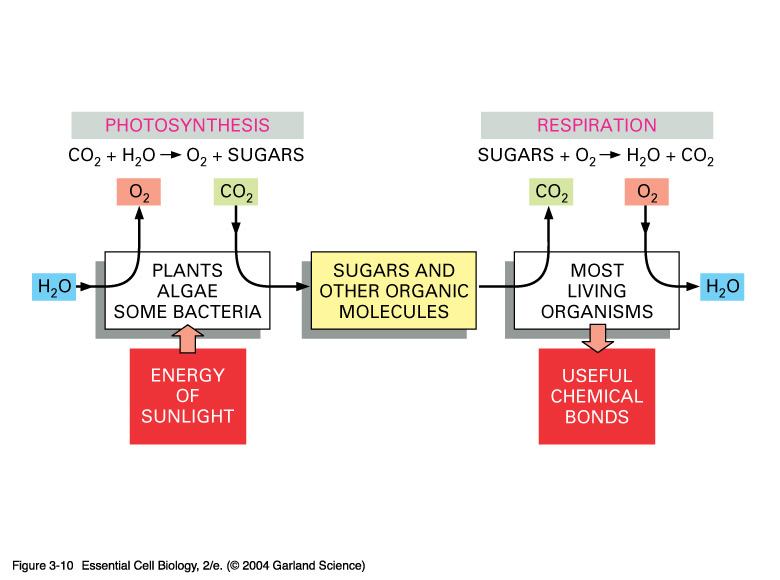


If these Archived FOS
lesson plans have been useful to you please e-mail me and let me know.
| Foundations of Science 1 (Archived) (Some links may be broken) |
Welcome to the 2010-2011 school year. It is time to consider the way we think and question. We will begin thinking in a rational/logical/scientific way. I want you to question everything, look for patterns and expect proof. I will be sending texts (LoganAlerts) to all students/teachers/parents who give me their cell phone # and carrier name. Please e-mail or see me if you want a LoganAlert! I will be introducing you to the Self-Study method of reading and a few rules for success. The Chapter 1 Self-Study will be due Tuesday, 9/7/2010. We will be measuring length, mass, and volume. We will then calculate density using numbers in scientific notation and reporting the solution in correct significant figures. We will also be organizing data into tables and graphs. After reviewing the skills of a scientist, the scientific method, the metric system and variables, we will put it all together in the Pendulum Project. This 5 day lab activity will be due Monday, 9/27/2010. The Chapter 1 Test will be Tuesday, 9/28/2010. |
| WARNING: The world of moving objects and forces acting on them may not be as you imagined it to be. Get moving and work on applying this physics stuff to what you already know and experience as you live your daily lives! Prepare to be dazzled! With our introduction to science behind us, we begin our physics unit by investigating motion and forces. The first week we will calculate velocity, use rise over run to graph velocity and relate motion to what we see as we move in our world. Momentum and force will be added to our understanding of motion. Not only will we be doing math problems, A Rolling Ball Lab will allow us to test and experience relationships among velocity, mass and momentum. We will have an Egg Toss Event to relate stopping time to momentum. Fettuccini Physics will give us practice overcoming weight with a support/normal force. Newton's 3 laws of motion will be put to the test with the 10th Annual Egg Drop. The readings for this unit are chapter (2.1-2.10), (3.1-3.9), (4.1-4.2) and (5.1-5.5). Self Studies are very important as you take yourself through each reading session. The Motion and Forces Test will be November 17, 2010. GOAL: understand the world as it really is! |
No physics unit would be complete without investigating the mathematics of work. We will calculate and see the relationship among work, power, Kinetic energy and potential energy. We will be calculating work and power using math skills and proof problems. Work is measured in Joules and power is measured in Watts, which can be converted into HorsePower. We will relate the power needed to get up stairs to how much energy (food calories) is in what we eat/drink. Remember: the material you put into your body serves as fuel and building materials to make you, biologically, who you are. How many times do you need to go up the stairs to burn off that Thanksgiving meal? Not only is stored chemical potential energy important to us, the energy of motion (kinetic) and the energy of position (gravitational potential) must be considered as we investigate mechanical energy. The Bouncing Ball Lab will allow you to see the relationship among the types of energy. The Work, Power and Energy Test will be December 8, 2010. |
Matter is all the stuff around us that has mass an occupies space. Everything else is Energy. Matter is composed of moving 'little lumps' called molecules, which are made of atoms. A substance that is made of only one kind of atom is an element. There are 117 known elements. The Kinetic Theory assumes that way the molecules in a substance move determines the phase of the matter. Solids, liquids and gases are the three states of matter. Pure substances are made of only one kind of material and have definite properties. Mixtures refer to combinations of two or more substances in which each substance retains its own properties. Heterogenous mixtures are not the same throughout. Homogenous mixtures are uniform throughout. Homogenous mixtures are also called solutions, however, the most common type of solution is described by a solid (the solute) dissolved in a liquid (the solvent). Physical properties can be observed or measured without changing the composition of matter. (appearance, texture, color, odor, melting/boiling point, density) All changes of state (solid to liquid to gas) are physical changes. Chemical properties describe the way a substance may change or "react" to form other substances. Chemical changes, also known as chemical reactions, are when a substance is transformed into a chemically different substance. |
Chemistry is the study of matter and how it changes. All notes, powerpoints and study guides for this unit are posted in the notes/reviews section. We start with an introduction to the atom and atomic theory. Once we can find the number of particles in an atom and draw the atom's diagram, we will look at how elements are arranged on the Periodic Table of Elements, including a periodic table test. Using the locations and groups of elements on the table, predicting how elements combine to form compounds becomes possible. We will balance chemical equations and investigate the types of chemical reations. We will review mixtures and solutions and add acids and bases to the mix. The May I Cut In? lab will investigate a single displacement, exothermic reaction and acids/bases. The 4th of July lab will give practice balancing equations and demonstrate the Law of Conservation of Mass. Practice notes/reviews often for success! |
* |
Foundations of Science 2 (Archived) (Some links may be broken) |
Over the next Month, we will be studying Geology. The first few weeks we will be identifying minerals by using an arsenal of observations/tests. Before the Mineral Lab we will do the Specific Gravity Lab. Students will then begin testing and identifying 30 rock-forming minerals. The Mineral Lab will be due 2/11/11. Reread chapter 4 (pages 53-57) EVERY DAY! Practice the Mineral Notes, and put in lots of time practicing the minerals in your kit. Check out The Mineral Project Website. It has a mineral search, mineral identification notes, and a large database of minerals. Check out Minerals for more information. The mineral practical test will be 2/14/11. The Chapter 4 written test will be 2/15/11. |
Now that we have the knowledge and the skills to identify minerals, it is time to move on to rocks. We will be performing an Igneous, a Sedimentary and a Metamorphic rock investigation. Be sure to read chapter 5 and restate/answer the chapter 5 topics 1-23. Spend some time checking out my Rock Review Trackstar. The Rock Practical Test will be Tuesday, March 8, 2011 and the Chapter 5 Written Test will be Wednesday, March 9, 2011. Practice the Introduction to Rocks, Igneous Rocks, Sedimentary Rocks, and Metamorphic Rocks notes. Your success in this rock section is directly proportional to the time you spend reading and practicing the labs. |
The Plate Tectonic Test will be 5/6/2011. The Plate Tectonic Test will be a five page essay test. Each of the five essays will have topics, notes, links and a lab to help you get the information organized into a good story (the one page essay). Please get to work on the five plate tectonic essays ASAP. I will grade each, as you finish, so you will be able to rewrite them until they are a perfect 20 out of 20. You will have a few weeks to get the essays done. On the day of the essay test, bring all five graded essays to class. I will choose one and you will choose one to write from memory. The other three will be handed in. You are guaranteed at least a 60% if you bring all five with a 20 out of 20 to class. |
With the study of Minerals and Rocks behind us, it is time to continue our geology tour into plate tectonics. We will be covering readings from Chapter 5 topic #4, Chapter 13 topics #1-15, Chapter 14 topics #1-6, Chapter 15 topics #1-4. All topic questions listed will be collected. Please visit the website: Plate Tectonics In A Nutshell to see the big picture. Alfred Wegner's bold continental drift theory got the ball rolling. As evidence mounted, plate tectonics unified much of geology into one simple concept. Different plate boundaries driven by convection currents have and are shaping our Earth's surface. Geologists use earthquake waves, landforms, changes in magnetic polarity and volcanic rock information to piece the puzzle together. Use labs, readings and notes to learn the story. |
It is time for a trip through geologic history. For the next few weeks we will be learning the story of the history of the Earth, its major geologic events and how it has changed over the last 4.5 billion years. We will be using Chapters 32, 33 and 34 in the Earth book. All topics will be read, restated and answered and collected. This section will culminate with each student making a geologic timeline to get a better understanding the events that have changed Earth and influenced life through its evolution. Check out the Geologic Timeline Show. There will be a test over all three chapters. |
| We will finish the 2010-11 school year with a two week astronomy unit. We will be studying the properties of light, taking a photon walk and using spectral fingerprints to identify elements in stars. We will then learn the life cycle of stars, investigate our Sun's properties, check the space weather, monitor the Northern Lights and put planets into a scaled model around our Sun. The readings include (Chapter 20: #8, #13-#16), (Chapter 21: #3, #6-#18), (Chapter 22: #5), (Chapter 26: #6). All topic questions from the listed reading sections will be collected and graded. The Astronomy Test will be Friday, May 20, 2011. We will end the year with a beautiful story that will leave you with a vision of the big picture. |
We will finish the 2010-11 school year with a two week astronomy unit. We will be studying the properties of light, taking a photon walk and using spectral fingerprints to identify elements in stars. We will then learn the life cycle of stars, investigate our Sun's properties, check the space weather, monitor the Northern Lights and put planets into a scaled model around our Sun. The readings include (Chapter 20: #8, #13-#16), (Chapter 21: #3, #6-#18), (Chapter 22: #5), (Chapter 26: #6). All topic questions from the listed reading sections will be collected and graded. The Astronomy Test will be Friday, May 20, 2011. We will end the year with a beautiful story that will leave you with a vision of the big picture. |